
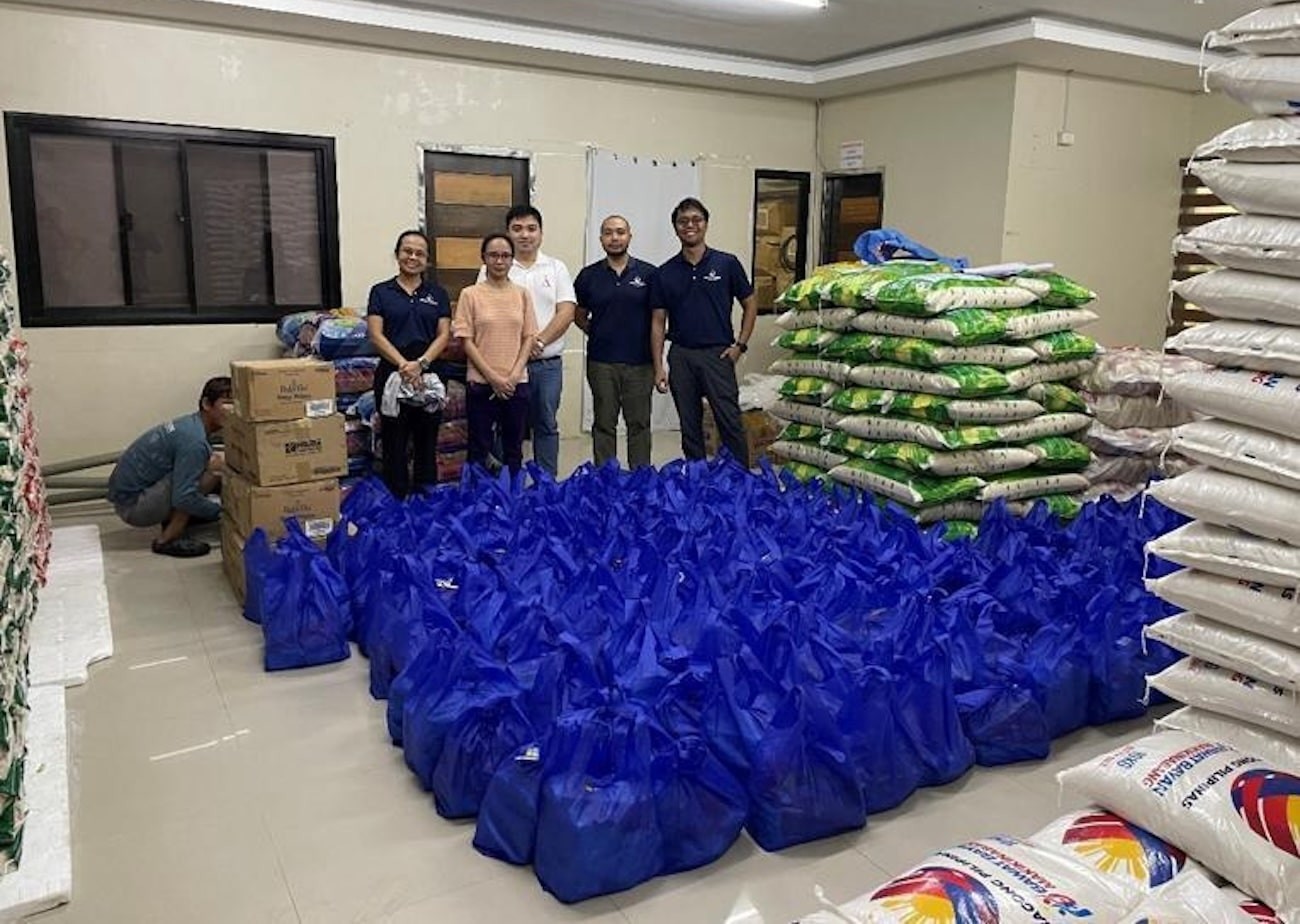
When the habagat poured its relentless rains over Central Luzon, it wasn't just water that flooded the streets of San Simon, Pampanga. It washed away a sense of normalcy for more than 21,000 families. But in the midst of that upheaval, a quiet, determined response was already underway. Manila Water Foundation (MWF), together with its operating units, activated its Agapay: WASH in Emergencies program to bring clean water, sanitation, and hygiene supplies to those who needed it most.
This is not just about logistics. It is about dignity. It is about ensuring that a mother can still wash her child's hands, that a young girl has the supplies she needs, and that a senior citizen has safe drinking water while waiting out the storm in an evacuation center. In the Philippines, where disasters are a part of our shared story, this kind of response is what bayanihan looks like in the 21st century.
How did the WASH aid reach the flood victims in San Simon?
In partnership with Clark Water and the Municipal Government of San Simon, MWF distributed 600 units of 5-gallon potable drinking water and 200 hygiene kits to evacuees across the municipality. The kits were more than just a bundle of goods. They contained essential personal care items like feminine pads, soap, shampoo, toothpaste, and Cleene CLIO toothbrushes, all donated by PHILUSA Corporation. These are the small things that help people hold onto their humanity when everything else feels uncertain.
The hardest-hit areas were Barangays San Agustin, San Isidro, San Miguel, Santa Monica, and Sto. Niño. Around 500 evacuees from these barangays received direct support through the initiative. The local government expressed its gratitude, noting that the availability of safe drinking water in evacuation centers brought comfort and assurance to families during a challenging time.
Why is clean water critical during emergencies?
“We recognize that access to clean water and proper sanitation becomes even more critical during emergencies,” said Reginald Andal, Executive Director of Manila Water Foundation. “Through our Agapay program, we continue to work closely with our local government and operating unit partners to help protect the health and dignity of affected families.”
His words carry weight. In the chaos of a disaster, waterborne diseases can be as deadly as the flood itself. Clean water is the first line of defense. It protects children, senior citizens, and other vulnerable community members from illnesses that can turn a temporary displacement into a long-term tragedy.
What support is being given to the East Zone?
The response was not limited to Pampanga. In the East Zone, MWF, together with the Manila Water Quezon City, Taguig-Pateros, and Rizal Service Areas, provided 450 units of 5-gallon potable drinking water to evacuation centers, impacting more than 2,088 evacuees. The LGUs managing these centers voiced their support, recognizing that safe drinking water is a lifeline for the most vulnerable.
And the work continues. Manila Water Foundation has committed to providing 1,750 gallons of potable drinking water for Barangay San Jose in Rodriguez, Rizal, an effort that will impact more than 2,466 individuals as they begin the slow process of recovery.
What is the Agapay: WASH in Emergencies program?
Agapay, which means “to support” or “to accompany” in Filipino, is MWF's dedicated program for disaster response. It underscores the vital role of clean water, sanitation, and hygiene in disease prevention and safeguarding public health. It is a reminder that in our country, where we face an average of 20 typhoons a year, preparedness and compassion must go hand in hand.
This is not just a corporate social responsibility report. It is a story of resilience. It is a story of partners, both public and private, coming together to ensure that no family is left without the basics of life. As we rebuild and recover, programs like Agapay remind us that the true strength of the Philippines lies not in our infrastructure, but in our people.
To the families in San Simon, in Rizal, and in every barangay that felt the wrath of the habagat: you are not alone. The water will keep flowing, the supplies will keep coming, and the bayanihan will not stop.