
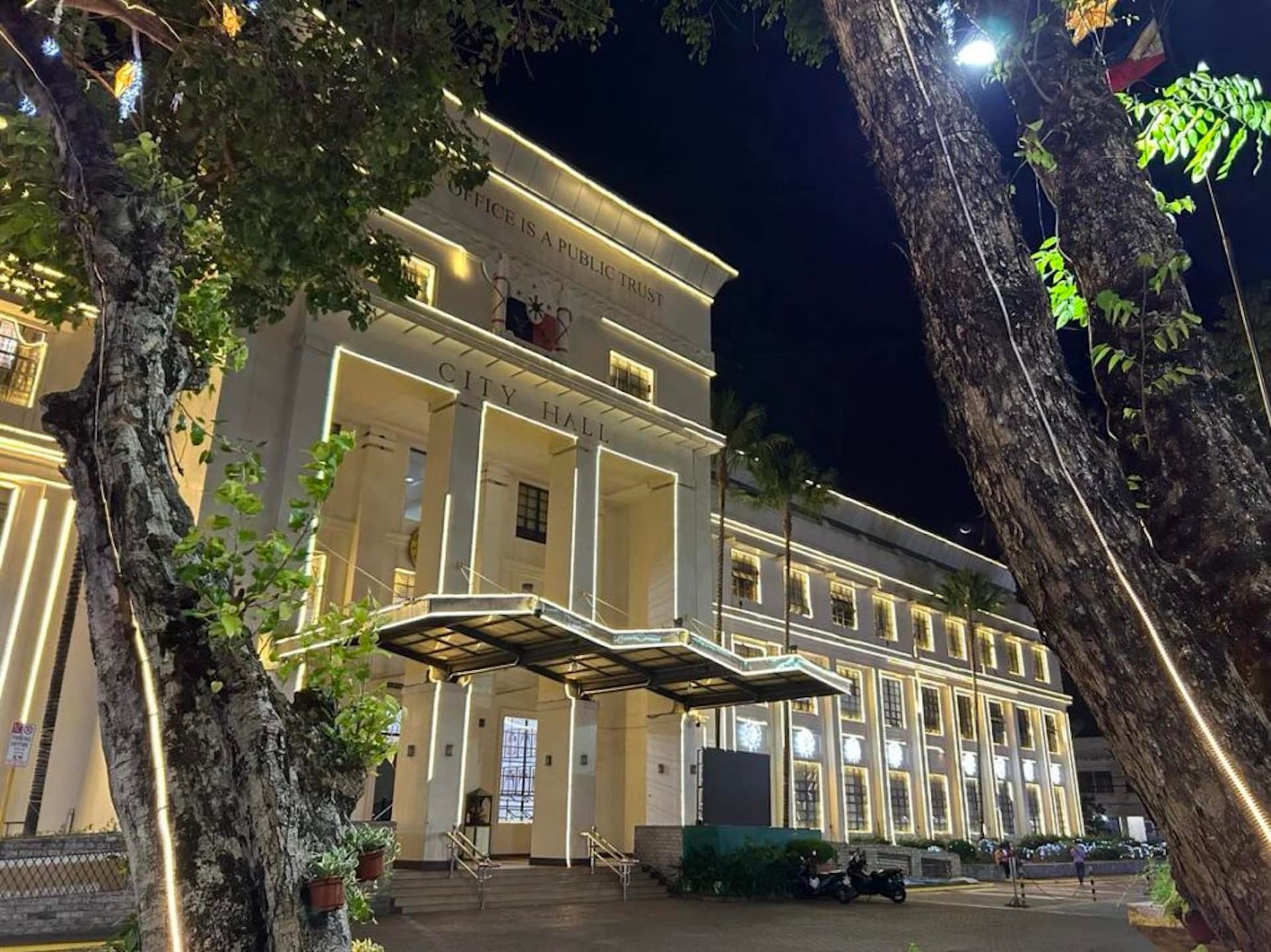
Cebu City is moving to hire more engineers and outsource technical work after state auditors flagged a manpower shortage that left billions of pesos in development funds largely unspent last year. Mayor Nestor Archival said the city cannot afford to let infrastructure projects stall while communities wait for roads, schools, and hospitals.
The Commission on Audit (COA) found that the city's Department of Engineering and Public Works (DEPW) simply did not have enough people to prepare technical documents and supervise dozens of priority projects. In 2025, Cebu City used only P344.45 million, or 7.98 percent, of the P4.32 billion available under its 20 percent Development Fund. Forty one infrastructure projects worth P2.11 billion failed to proceed as scheduled.
What did the COA audit say about Cebu City's engineering department?
COA's 2025 Annual Audit Report concluded that manpower limitations within the DEPW significantly contributed to the delays. Auditors pointed to procurement issues, inadequate implementation readiness, project execution deficiencies, and the engineering department's limited capacity to manage the city's infrastructure workload.
The commission recommended that Cebu City consider outsourcing the preparation of Programs of Work and Estimates (POWE) in accordance with Republic Act No. 9184, or the Government Procurement Reform Act, whenever the DEPW's workload exceeds its in house capacity.
How is Mayor Archival addressing the backlog?
Archival said City Hall has already started addressing the backlog inherited from previous years. He acknowledged that many delayed projects date back to 2024 and 2025 and were carried over into the current administration.
“During the time I assumed office, many projects funded under the Local Development Fund had not been attended to,” the mayor said. “We're trying to run these efforts in parallel.”
The administration has instructed the engineering department to accelerate implementation while simultaneously preparing for the possible outsourcing of technical work. “If we find that they really cannot handle it, then we will outsource,” Archival said.
Will outsourcing provide an immediate fix?
The mayor acknowledged that outsourcing the preparation of POWE, as recommended by COA, would not provide an immediate solution because government procurement requirements could take several months. He estimated the procurement process alone could take around three to four months.
“We will start the outsourcing documentation because it takes time,” he said. For now, the city has instructed its engineering personnel to continue working on the backlog while preparations for outsourcing proceed simultaneously.
How many new engineers will Cebu City hire?
Beyond outsourcing, Archival confirmed that Cebu City plans to expand its engineering workforce. “There are opening slots,” he said. “In fact, we need more engineers.” The mayor added that City Hall will begin hiring additional engineers to strengthen the DEPW's capacity to prepare technical documents and supervise infrastructure projects.
What about the Cebu City Medical Center delays?
The findings add to a series of audit observations involving Cebu City's major infrastructure projects. In a separate section of the same audit report, COA flagged the long delayed Cebu City Medical Center (CCMC) after finding that the city had already spent P1.13 billion despite engineering deficiencies, documentation gaps, contract issues, and prolonged construction delays.
Archival recently acknowledged that portions of the hospital project may require demolition and reconstruction after technical inspections uncovered substandard work in previous construction phases. The mayor has also backed the hiring of an independent project management consultant to oversee the remaining CCMC works. He said the decade old project has become increasingly difficult to manage after passing through multiple contractors.
What does this mean for Cebu City residents?
For ordinary Cebuanos, the delays mean longer waits for basic infrastructure like farm to market roads, school buildings, and health centers. The city's 20 percent Development Fund is meant to support local development projects that directly benefit communities. When funds go unspent, it is the rural barangays and urban poor communities that feel the pinch most.
Archival's approach is pragmatic: hire more engineers now, outsource what you cannot handle, and run both tracks in parallel. It is not a flashy solution, but it is an honest one. In a province where infrastructure is the backbone of economic growth, getting this right matters.
Photo: CDN Digital