
Iran has shifted to new attack tactics against vessels in the Strait of Hormuz in a deliberate push to keep oil prices high and sway the outcome of the US midterm elections in November, two senior Iranian officials told Reuters on October 14, 2026.
According to Rappler, which carried the Reuters report, the decision was taken at the highest levels of Iran's leadership and is fully coordinated across the country's ruling system. The move has already produced a surge in attacks on commercial shipping, with at least five incidents in the past 48 hours involving tankers and other merchant vessels, including drone strikes.
Why the Strait of Hormuz matters, including for the Philippines
The strait carried roughly a fifth of global oil and liquefied natural gas trade before the war began. Since the United States and Israel launched strikes against Iran on February 28, Tehran has restricted passage through the waterway to gain leverage over Washington, and its threats and attacks have severely curtailed traffic.
For a country like ours that imports nearly all of its crude, every spike in global oil prices eventually lands at the pump in Bauang, Batangas and Bataan. Higher bunker costs mean higher jeepney fares, higher electricity rates and higher prices for rice moved by truck from Nueva Ecija to Manila. What happens in a narrow channel 7,000 kilometers away does not stay there.
What changed in Iran's strategy
The two officials declined to give details, but one said Iran began using different offensive tactics against ships it considered in violation of its restrictions about 10 days ago, and that this had already increased attacks. The strategy changed both the type and pace of strikes, with one explicit goal being to influence the US vote.
“The aim is to frustrate efforts by the United States and its allies to bring down global oil prices,” one of the two officials said.
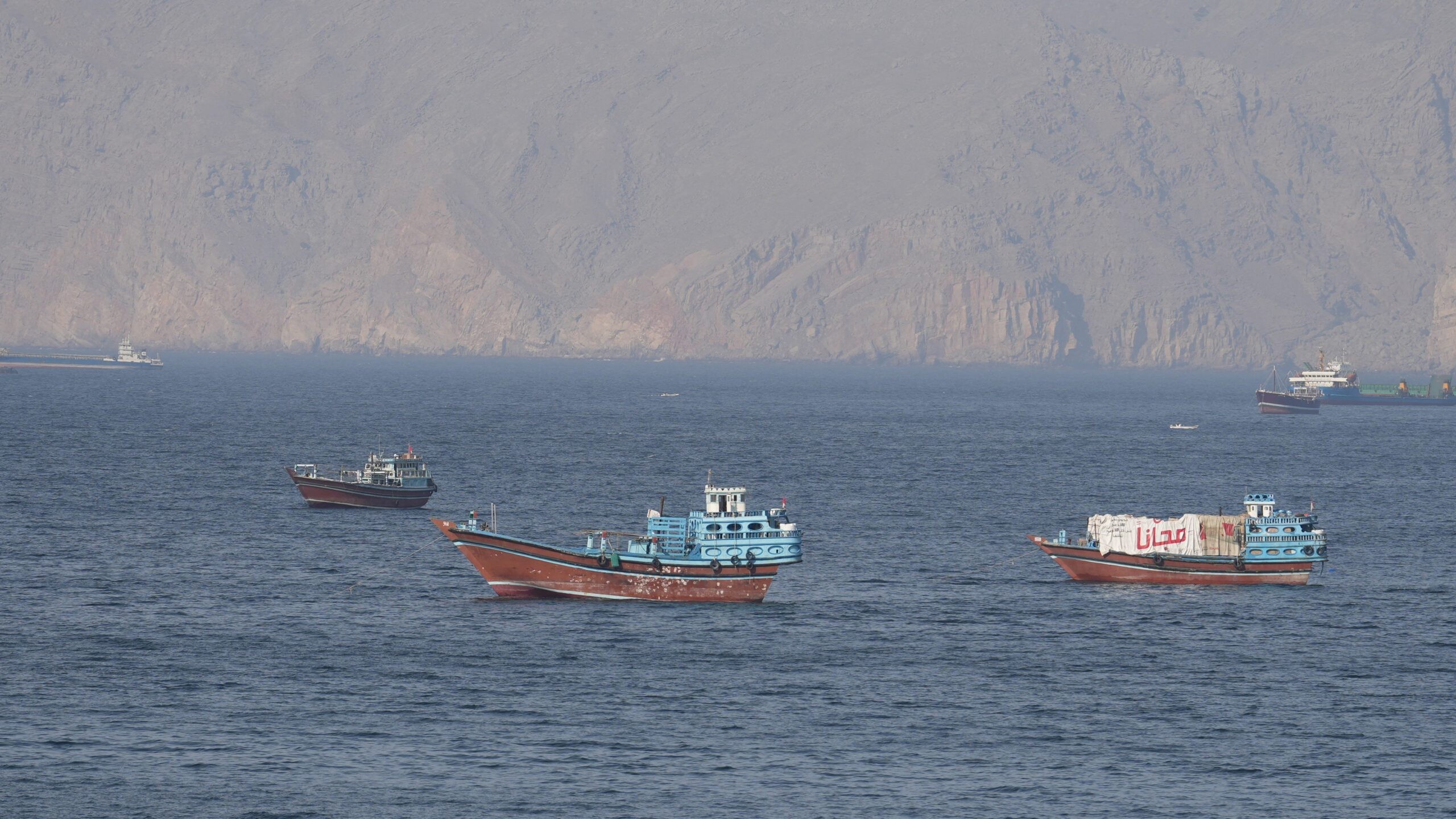
A US military official, speaking anonymously, confirmed a significant tactical shift. After US strikes destroyed much of Iran's radar capability, the Islamic Revolutionary Guard Corps started using unarmed spotters in small boats to identify targets, including US naval vessels. Last week, in a previously unreported incident, US forces determined that Iranian spotters were operating from a dhow and calling in targets. US troops confronted the vessel, ordered its occupants to abandon ship, and destroyed it. There were no casualties.
Unwilling to risk its remaining fast boats after US strikes devastated its navy, Iran has been unable to stop a ramp-up in oil exports through the strait, the US official said, according to