
The Philippines and the global community face mounting uncertainty as Iran's Supreme Leader Ali Khamenei's death triggers a devastating escalation in Middle East tensions, sending shockwaves through international markets and threatening vital shipping routes that affect Filipino overseas workers and trade.
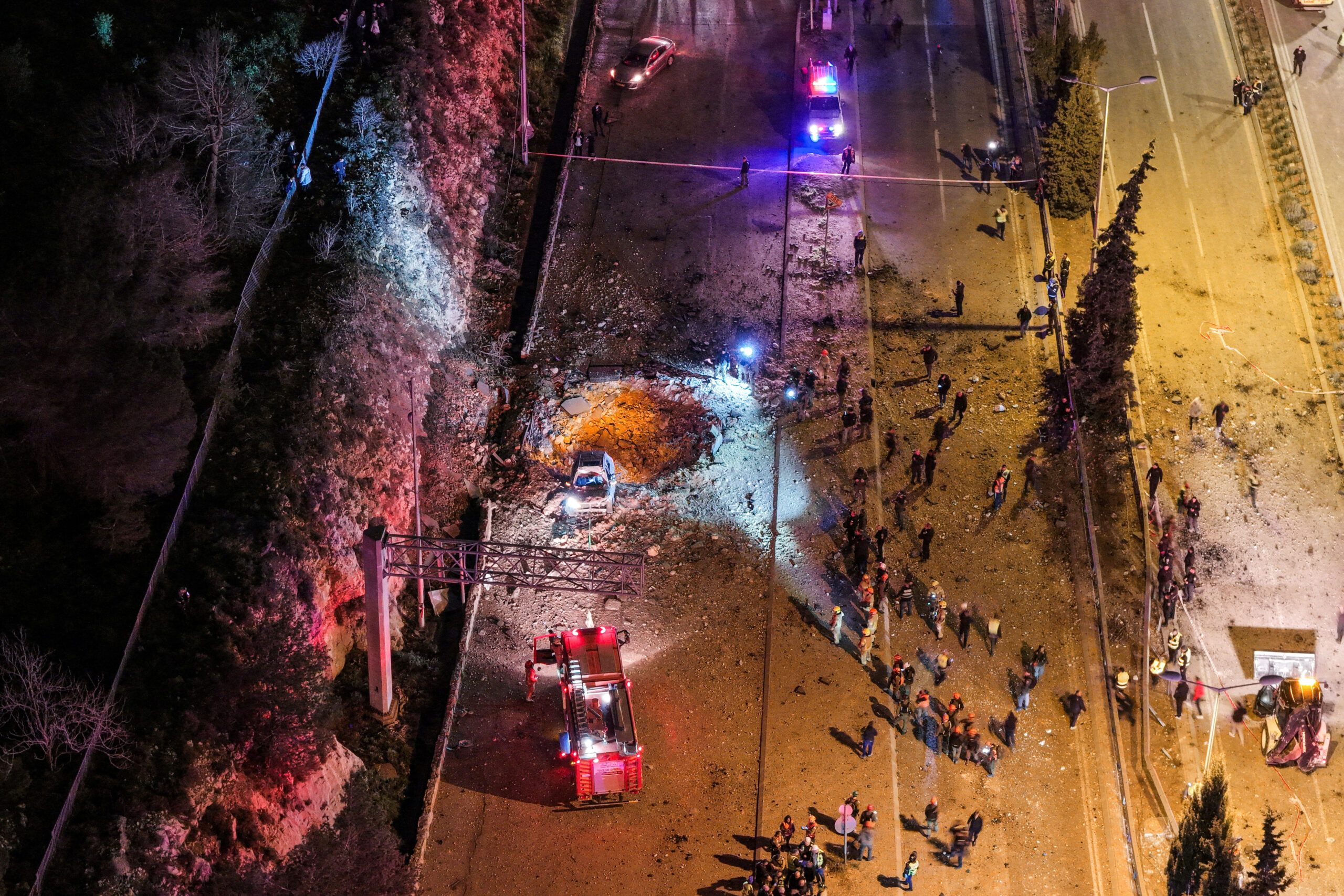
Israel launched fresh strikes on Tehran Sunday following Saturday's attack that killed the 86-year-old Iranian leader, while Iran responded with missile barrages across the region. The conflict now threatens to draw in Lebanon's Hezbollah, raising fears of a wider regional war that could impact the thousands of Filipino workers in the Gulf states.
Leadership Vacuum Creates Regional Instability
Iran's President Masoud Pezeshkian announced that a temporary leadership council, comprising himself, the judiciary head, and a Guardian Council member, has assumed the Supreme Leader's duties. This unprecedented power vacuum in the Islamic Republic creates uncertainty for regional stability and global energy markets.
"We've had two decades to study defeats of the US military to our immediate east and west," Iranian Foreign Minister Abbas Araqchi wrote on social media, suggesting Iran remains prepared to continue fighting despite the leadership crisis.
Economic Impact Threatens Global Trade
The closure of the vital Strait of Hormuz, through which 20% of world oil supplies pass, poses significant risks to the Philippine economy. With hundreds of vessels including oil and gas tankers anchored in nearby waters, traders expect sharp crude oil price increases that could affect fuel costs for Filipino consumers.
Major Middle Eastern airports, including Dubai, the world's busiest international hub, remain closed, disrupting air travel and potentially affecting the movement of overseas Filipino workers in the region.
US Military Campaign Continues
President Donald Trump vowed to continue military strikes until "all objectives are achieved," stating the assault had destroyed Iran's military command and nine naval vessels. The US Central Command reported hitting over 1,000 Iranian targets since the campaign began.
In a video statement, Trump called on Iranian patriots to "seize this moment" and "take back your country," while warning Iranian forces of "certain death" if they resist. However, only one in four Americans approve of the operation, according to recent polling.
Regional Allies Express Concern
The conflict has drawn international condemnation, with Russian President Vladimir Putin denouncing Khamenei's death as "cynical murder" and China's Foreign Minister Wang Yi calling it "blatant killing." These reactions highlight growing tensions between Western and Eastern powers over Middle East policy.
Israel's military reported establishing aerial superiority over Tehran while targeting intelligence and military command centers. An Israeli official, speaking anonymously, said the goal is to undermine Iran's government until it collapses.
Humanitarian Concerns Mount
Casualties continue mounting with nine killed in Israel's Beit Shemesh, three deaths reported in the UAE from Iranian attacks, and one fatality in Kuwait. The first US military casualties, including three service personnel, were confirmed Sunday.
Inside Iran, reactions remain divided as some mourn Khamenei while others celebrate his death, exposing deep societal divisions. Thousands of Iranians were killed in January during anti-government protests that Khamenei had authorized security forces to suppress.
The crisis poses particular concerns for the Philippines, which maintains diplomatic relations with Iran while supporting international law and peaceful conflict resolution. Filipino communities in the Gulf region face potential evacuation scenarios as the conflict escalates.