
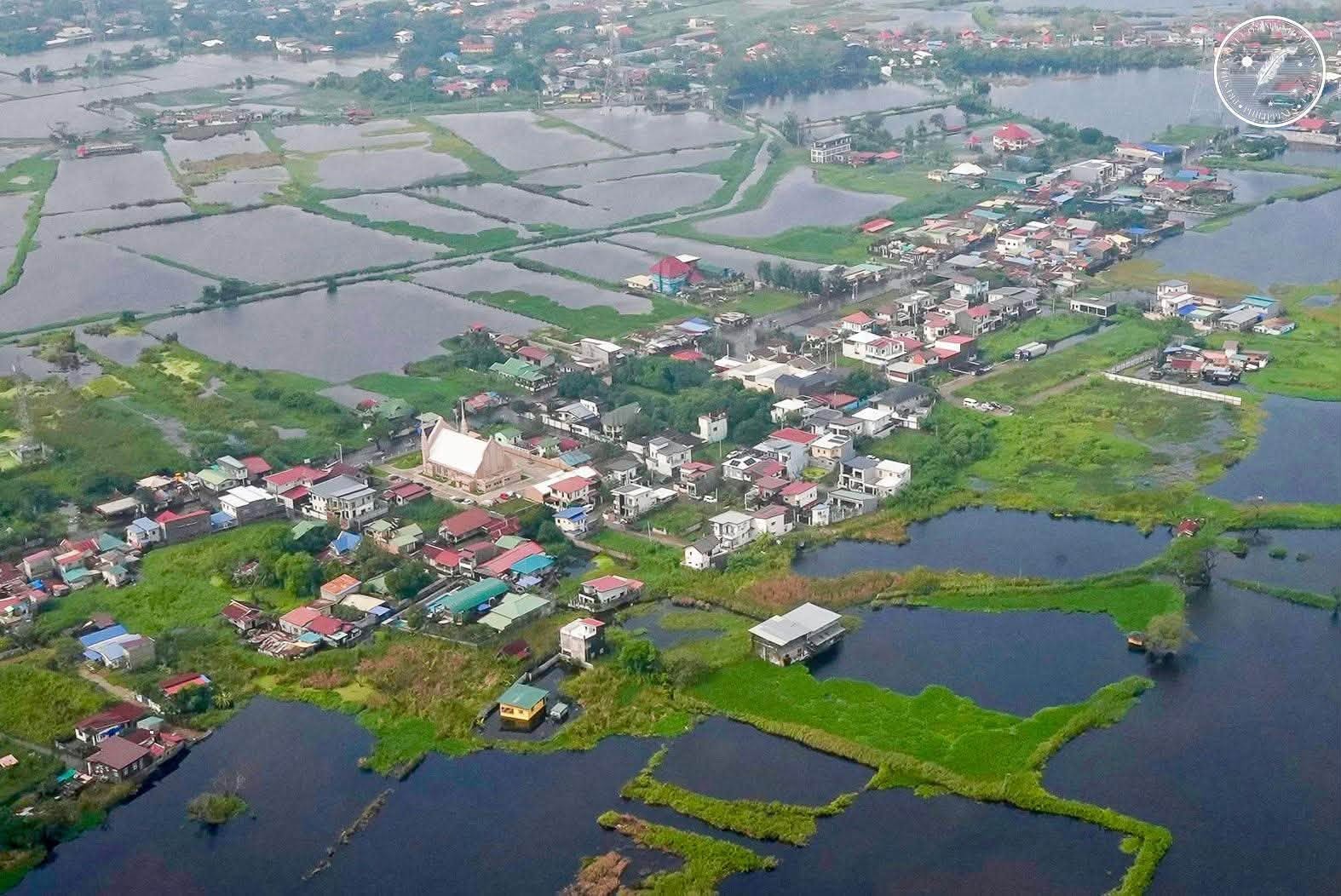
President Ferdinand Marcos Jr. has directed the Department of Public Works and Highways (DPWH) to restore connectivity immediately in Central Luzon areas battered by severe flooding, according to Secretary Vince Dizon. The order covers Pampanga, Tarlac, and Zambales, where damaged roads and bridges have disrupted transport and daily life.
Speaking on GMA Network's Unang Hirit on Tuesday, Dizon relayed the President's message: resolve the lingering problems fast, especially in Central Luzon. The heavy rains of the past days left a trail of damage, he said, and the provinces of Tarlac, Pampanga, and Zambales are bearing the brunt.
What is the status of NLEX in San Simon, Pampanga?
Traffic along the North Luzon Expressway (NLEX) in San Simon remains heavily affected by floodwaters. Dizon said the DPWH, NLEX Corp., the Department of Transportation, and the Metropolitan Manila Development Authority (MMDA) are coordinating closely. Temporary flood barriers are in place, and pumps are working to clear water from the expressway.
As of early Tuesday morning, the first two inner lanes of NLEX in San Simon had become passable to vehicles. But authorities are looking beyond quick fixes. Raising the expressway further may not be feasible, Dizon noted, because an existing bridge must still accommodate buses and trucks.
How are repairs progressing on Tarlac's damaged bridges?
Two bridges connecting Tarlac City were damaged. The DPWH is prioritizing the Agana Bridge, with workers deployed around the clock to reconnect it. But repairs are slow because the river beneath still runs with a strong current.
The Agana Bridge, built in the 1960s, needs structural reinforcement, Dizon said. The Aquino Bridge will follow once weather improves and the river's flow subsides.
It was not repaired properly. It was not retrofitted properly. It was not maintained well. Secretary Vince Dizon
Authorities are also investigating a sinkhole near the Aquino Bridge. Filling it with soil alone won't work, Dizon explained; engineers must first trace the source of the water that caused the ground to collapse. The affected pedestrian area has been closed as a precaution.
What are the long-term solutions for flooding in Pampanga?
Dizon acknowledged that man-made factors, including years of poor maintenance, contributed to the flooding. He also addressed public concerns over billions of pesos spent on flood-control projects in past decades. The priority now, he said, is repairing damaged dikes and bridges and ensuring proper upkeep of flood-control infrastructure.
For Pampanga's recurring problem, the government is eyeing retarding basins, water-storage areas that can temporarily hold excess water from mountains and rivers before it reaches populated zones. The DPWH, the Pampanga provincial government, and the Asian Development Bank (ADB) are finalizing a master plan for the Pampanga River Basin.
Dizon stressed the need to start implementing the ADB plan immediately, together with partners from Japan. These retarding basins would stretch from the mountains of Nueva Ecija through the municipalities of Pampanga and Bulacan.
The road to recovery is long, but the directive from Malacañang is clear: act fast, fix what is broken, and build smarter for the next storm.