
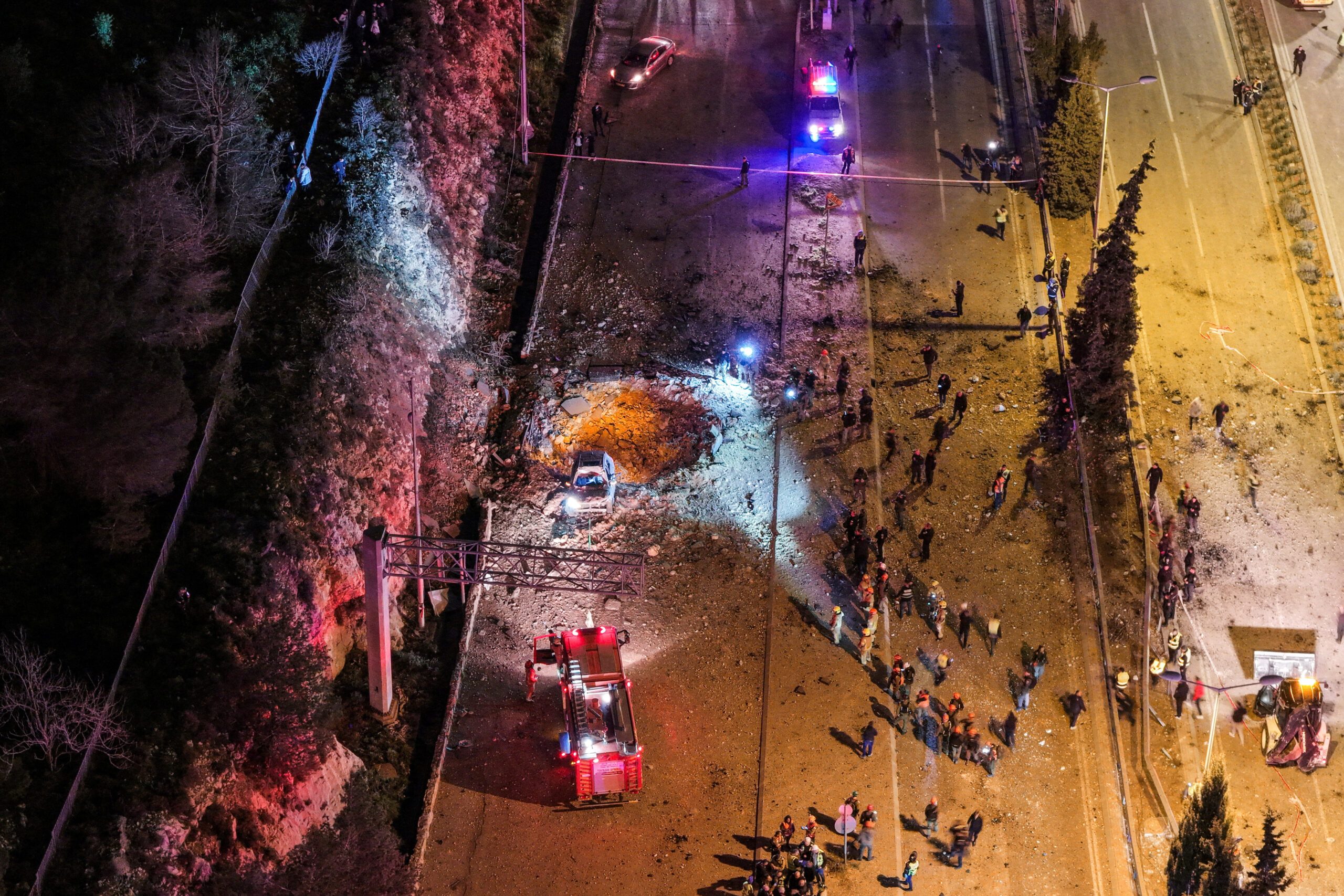
Middle East Crisis Deepens as Iran Leadership Council Takes Over After Khamenei Killing
The assassination of Iran's Supreme Leader Ali Khamenei has thrown the Middle East into unprecedented chaos, with global implications reaching from oil markets to shipping lanes that directly affect the Philippines' energy security and overseas Filipino worker communities in the Gulf.
Israel launched fresh strikes on Tehran Sunday, while Iran retaliated with missile barrages, creating a dangerous escalation that threatens regional stability. The conflict has forced closure of the vital Strait of Hormuz, through which 20% of global oil supplies pass, potentially impacting fuel prices across Southeast Asia including the Philippines.
Trump Administration Escalates Military Campaign
US President Donald Trump declared the military strikes will continue until "all objectives are achieved," targeting Iran's nuclear capabilities and missile programs. The US has hit over 1,000 Iranian targets since the campaign began, according to Central Command.
"I call upon all Iranian patriots who yearn for freedom to seize this moment and take back your country," Trump said in a video statement, promising continued American support for regime change.
However, public support remains limited, with only 25% of Americans approving the operation according to Reuters polling. The Republican president faces midterm elections that could reshape Congressional control.
Regional Powers Respond to Crisis
Iran's Revolutionary Guards claimed successful strikes against US and UK oil tankers in the Gulf, while attacking military bases in Kuwait and Bahrain. The escalation threatens thousands of Filipino workers across the Gulf region, where over 2.3 million OFWs are employed.
Dubai International Airport, the world's busiest international hub and a major transit point for Filipino travelers, remains closed alongside other regional airports, causing massive disruption to global air travel.
Israel's military reported intercepting projectiles from Lebanon, raising fears that Hezbollah may enter the conflict despite a 2024 US-brokered ceasefire.
Iran Faces Leadership Vacuum
President Masoud Pezeshkian announced that a temporary leadership council comprising himself, the judiciary head, and a Guardian Council member has assumed Supreme Leader duties. The 86-year-old Khamenei had ruled Iran since 1989.
Foreign Minister Abbas Araqchi suggested Iran remains prepared for prolonged conflict, writing on social media: "Bombings in our capital have no impact on our ability to conduct war."
Inside Iran, reactions remain divided, with some mourning Khamenei while others celebrate, exposing deep societal fractures following deadly January crackdowns on anti-government protests.
Global Economic Implications
The crisis threatens global energy markets, with hundreds of oil and gas tankers anchored in regional waters as traders expect sharp price increases. For the Philippines, which imports over 90% of its oil requirements, sustained disruption could significantly impact domestic fuel costs.
Russian President Vladimir Putin condemned Khamenei's death as "cynical murder," while China's Foreign Minister Wang Yi called it "blatant killing," highlighting growing tensions between Washington and Beijing-Moscow axis.
The conflict's resolution remains uncertain, with experts warning that while Khamenei's death deals Iran a major blow, it may not end the Islamic Republic's clerical rule or the Revolutionary Guards' influence over the population.