
The United States has issued urgent evacuation orders for American citizens across 14 Middle Eastern countries as the military conflict with Iran enters its third day, with President Donald Trump warning this may be the "last, best chance" to prevent Iran from developing nuclear weapons.
Widespread Evacuation Orders
The State Department's assistant secretary for consular affairs, Mora Namdar, issued stark warnings on social media urging Americans to "DEPART NOW" from affected regions due to "serious safety risks." The evacuation order covers Bahrain, Egypt, Iran, Iraq, Israel and Palestinian territories, Jordan, Kuwait, Lebanon, Oman, Qatar, Saudi Arabia, Syria, the United Arab Emirates, and Yemen.
This unprecedented scope reflects the gravity of the situation as regional powers become increasingly drawn into the conflict. For Filipinos working in these regions, particularly in Gulf states where hundreds of thousands serve as overseas foreign workers, the escalation raises serious concerns about their safety and economic security.
Military Operations Intensify
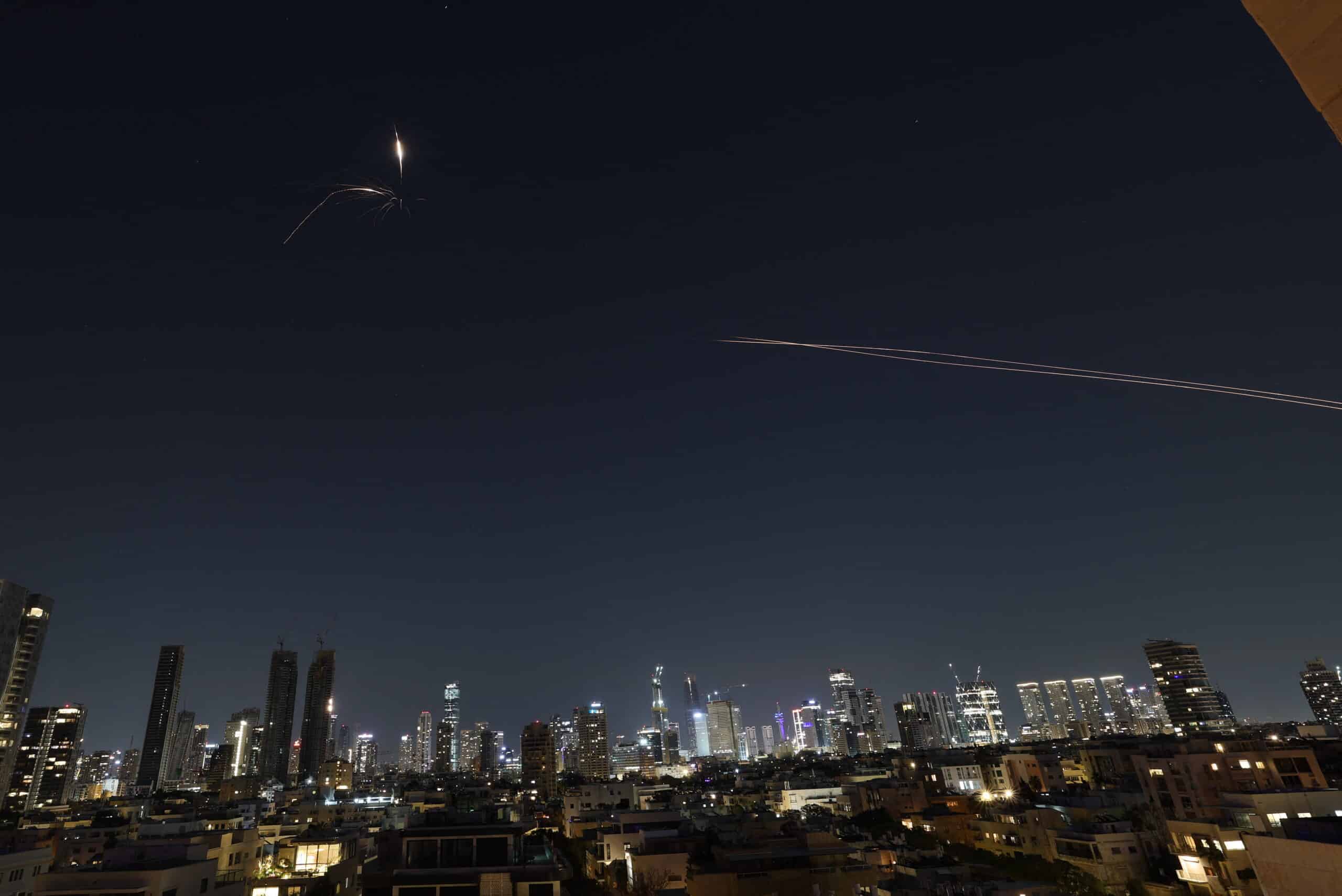
US forces have struck over 1,250 targets in the first 48 hours, according to Central Command. These include command centers, ballistic missile sites, Iranian naval vessels, and anti-ship missile installations. Israel's military reported intercepting a large wave of missiles from Iran targeting multiple locations, including Jerusalem, just after midnight local time Tuesday.
In a significant escalation, Israeli forces claimed to have "struck and dismantled" the headquarters of Iran's state broadcaster, the Islamic Republic of Iran Broadcasting, in Tehran. The facility was targeted for allegedly calling for Israel's destruction and promoting nuclear weapons use.
Regional Powers Join Conflict
Qatar's air force shot down two Iranian Sukhoi Su-24 bombers, marking the first time a Gulf nation has engaged Iranian aircraft directly. The emirate also halted liquefied natural gas production as Tehran expanded attacks to include oil facilities in Saudi Arabia and the UAE.
Iran's Revolutionary Guards have threatened to "burn any ship" attempting to navigate the Strait of Hormuz, a critical passage for global oil and gas shipments. General Sardar Jabbari warned of attacks on oil pipelines, predicting oil prices could reach $200 per barrel.
Cultural Heritage at Risk
The conflict has already damaged Iran's UNESCO-listed Golestan Palace in Tehran, with local media reporting that windows, doors, and mirrors were affected by blast reverberations from strikes in the capital's southern districts.
Strategic Implications
Secretary of State Marco Rubio revealed that the US launched preemptive strikes after learning Israel was preparing its own attack, which could have triggered retaliation against American forces. Trump outlined four key objectives: destroying Iran's missile capabilities, annihilating their navy, preventing nuclear weapons development, and stopping Iranian support for regional terrorist groups.
The president has signaled the military operation could continue much longer than initially anticipated, raising concerns about prolonged regional instability that could affect global energy markets and international trade routes vital to the Philippines' economy.
As the conflict spreads across the Middle East, the international community watches with growing concern about the potential for wider regional war and its impact on global stability.