
2.4 Million Filipino Workers Face Growing Uncertainty as Middle East Conflict Escalates
The ongoing missile strikes across the Middle East that began on February 28 have placed more than two million Filipino workers and their families in a state of heightened anxiety, as government data reveals the massive scale of our kababayan presence in the conflict zone.
According to the Department of Foreign Affairs (DFA), approximately 2.4 million Filipinos currently reside in the Middle East, with the majority concentrated in Saudi Arabia and the United Arab Emirates. These overseas Filipino workers (OFWs) represent the backbone of our nation's remittance economy, sending billions of pesos home to support families across our archipelago.
Strategic Concentration in High-Risk Areas
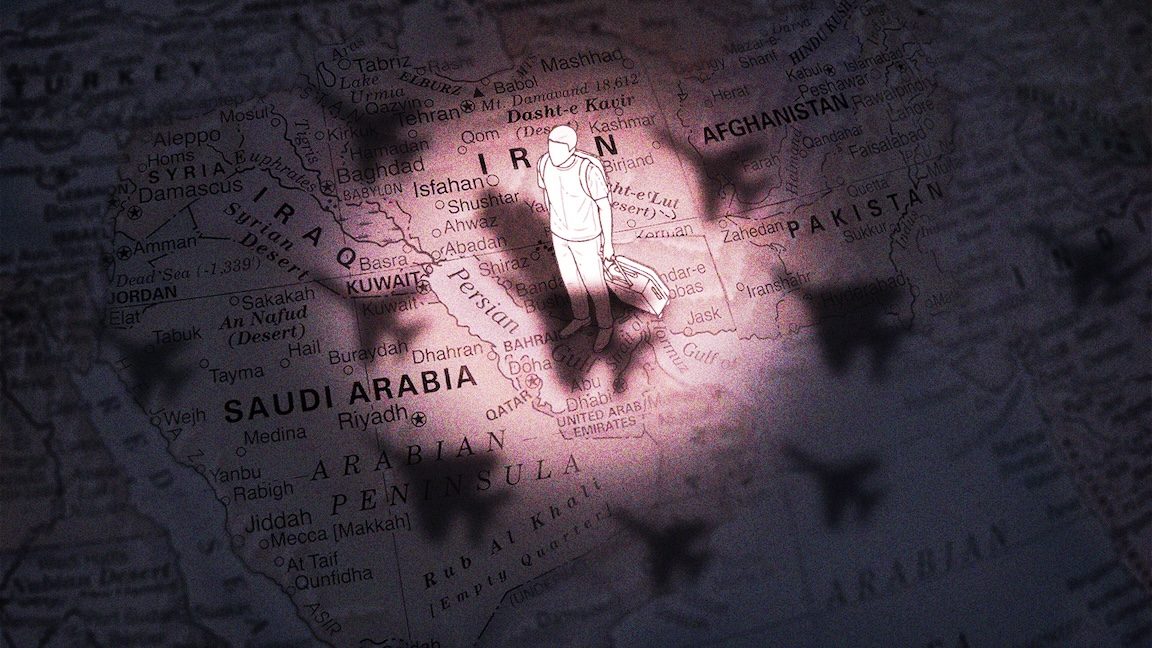
Maps from the US-based Institute for the Study of War indicate that missile strikes have been concentrated in Iran and coastal areas throughout the Gulf region, encompassing Bahrain, Kuwait, Iraq, Oman, Qatar, Saudi Arabia, and the UAE. These are precisely the areas where our Filipino workers have built their livelihoods over decades.
The Foreign Service Institute's 2024 data showed 2.1 million Filipino migrants in the region, with approximately 3% or 60,152 Filipinos remaining undocumented. Senate Committee on Migrant Workers Chairman Raffy Tulfo has expressed particular concern for these undocumented workers, who face additional vulnerabilities during this crisis.
Crisis Alert Levels and Evacuation Protocols
As of March 2, around 86,000 Filipinos find themselves in areas where the DFA has raised varying crisis alert levels. Under current protocols, only those in Alert Level 4 zones face mandatory repatriation, while Alert Level 3 areas warrant voluntary evacuation advisories.
The working Filipino population in the region stands at one million strong, mirroring the broader concentration in Saudi Arabia and the UAE. While the Department of Migrant Workers has yet to publish comprehensive regional breakdowns, various Overseas Workers Welfare Administration (OWWA) offices have begun releasing localized data to assist families seeking information about their relatives abroad.
Economic Lifeline Under Threat
The Philippine Statistics Authority's 2024 survey reveals that six out of ten OFWs in Western Asia are women, highlighting the gendered nature of our overseas workforce. These Middle East-based workers constitute 52% of the Philippines' total migrant workforce, making them crucial to our economic stability.
In 2025 alone, OFWs in the Middle East sent home $6.48 billion, equivalent to roughly P380 billion in cash remittances according to Bangko Sentral ng Pilipinas data. This represents 18.19% of total global remittances, with Saudi Arabia and the UAE contributing the largest shares.
Among the top 10 OFW destinations in 2025, four Middle Eastern countries secured leading positions: Saudi Arabia (1st), UAE (2nd), Qatar (5th), and Kuwait (6th).
Educational Community at Risk
The Commission on Filipinos Overseas (CFO) estimates that approximately 25,000 Filipino students and 1,000 teachers, administrators, and school personnel currently operate in the Gulf region. The majority of Philippine Schools Overseas (PSOs), which implement our national curriculum abroad, are located in areas now experiencing concentrated missile activity.
Despite the escalating situation, the CFO has assured Filipino families that these educational institutions remain "safe and operational" as of March 2.
Government Response and Safety Measures
With repatriation efforts facing logistical challenges, the government has advised Filipinos to "shelter in place and follow host government advice." The OWWA continues to urge our kababayans to maintain contact with Philippine diplomatic posts and offices for assistance.
As this "open-ended war" continues without clear resolution, the safety and economic security of millions of Filipino families hang in the balance. The government's measured response reflects both the complexity of mass evacuation and the critical importance of maintaining our overseas workforce's contributions to national development.
For families seeking assistance or information about relatives in the Middle East, comprehensive contact lists for Philippine diplomatic posts remain available through official channels.