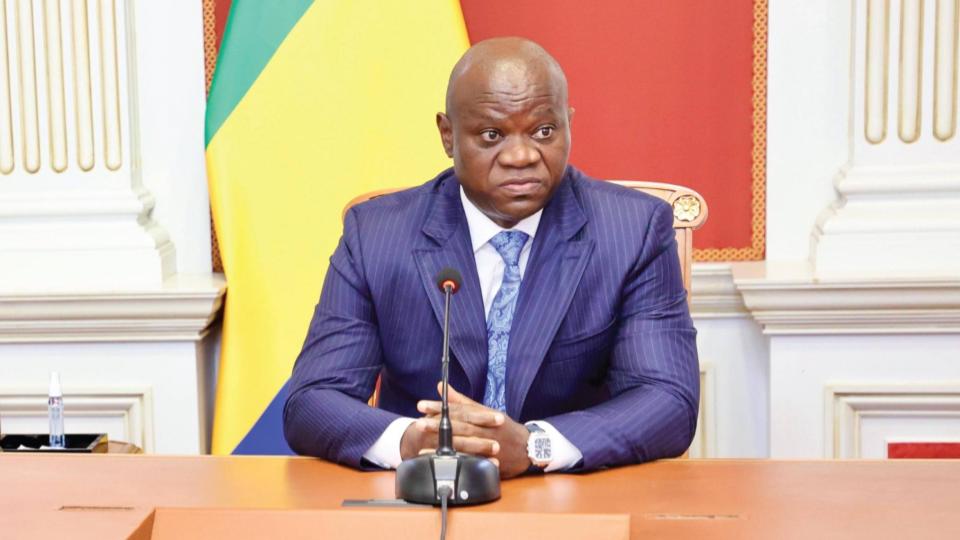
A Swiss corruption investigation into one of the world's biggest oil traders is casting a long shadow over Gabon. President Brice Clotaire Oligui Nguema still has room to maneuver, but the ground beneath him is getting warmer.
For weeks, the Gunvor affair has dragged Gabon's petroleum management into the spotlight. The questions are uncomfortable, the answers even more so. Yet the man at the top seems determined to keep his distance from the fire.
What Is Gunvor Accused Of?
The case originates from a Swiss judicial investigation into Gunvor, one of the largest commodity traders on the planet. Investigators have been probing suspected corruption linked to the awarding of oil contracts in Gabon under the previous administration. Publicly available information suggests intermediaries collected significant sums to smooth the path for commercial deals in the country's petroleum sector.
As this analysis of Gabon's post-Bongo oil sector points out, the old petroleum reflexes have not disappeared. The networks, the administrative machinery, the economic circuits that shaped Gabon's oil wealth for decades, they run deeper than any single family or political era. That is the uncomfortable truth the current government does not want to confront.
You Can't Just Blame the Bongos Anymore
Here is where the story takes a turn the palace in Libreville did not anticipate. The further the Swiss investigation goes, the more it reveals something inconvenient: these corruption mechanisms are not just relics of the Bongo years. They are living systems that survived the transition of power.
Administrative networks remain active. Economic channels still operate the same way. This makes it harder for Oligui and his circle to do what has become their reflex: pointing at the Bongo era as the source of every dysfunction.
The Bongo years had their problems, to be sure. But the current leadership cannot credibly claim that the rot stopped the day they took over. The structures that enabled corruption in the oil sector did not simply evaporate with a change of guard at the presidency.
The Fuses That Protect the Top
In affairs like this, political accountability can climb fast toward the summit. But the system has buffers. Between the administrative layers, the state-owned companies, the technical officials, and the various middlemen, there are multiple levels designed to absorb the heat.
Gabon's recent history tells us something familiar: when sensitive cases surface, it is usually the secondary officials who pay the political price. The heads that roll are rarely the ones wearing the crown.
Oligui Can Still Play the Game
At this stage, the president is holding his ground. If the case grows, he can always sanction a few officials, make targeted changes, and put on a show of moralization. It is a playbook we have seen before, and it generally works.
Even as Oligui promises immediate payments and a seven-year roadmap to rebuild Gabon's schools, the harder question hangs in the air: can his government truly reform the entrenched networks that have controlled the country's oil wealth for generations, or is this just another performance of reform?
If this affair claims political casualties, they will likely be found among close collaborators and operational managers, not at the top of the hierarchy. The president has enough fuses to burn before the current reaches him.
Damaging, but Not Dangerous Yet
The Gunvor case can hurt Libreville's image, especially with international partners who watch these things closely. But based on what we know now, this looks more like a crisis the regime will manage by sacrificing a few figures than a genuine threat to Oligui's position.
The most probable outcome is a familiar one: a few individual responsibilities highlighted, a few targeted sanctions, and the core of power left untouched. The old networks persist. The fuses are ready. And the man at the top calculates that distance, not accountability, will save him.