
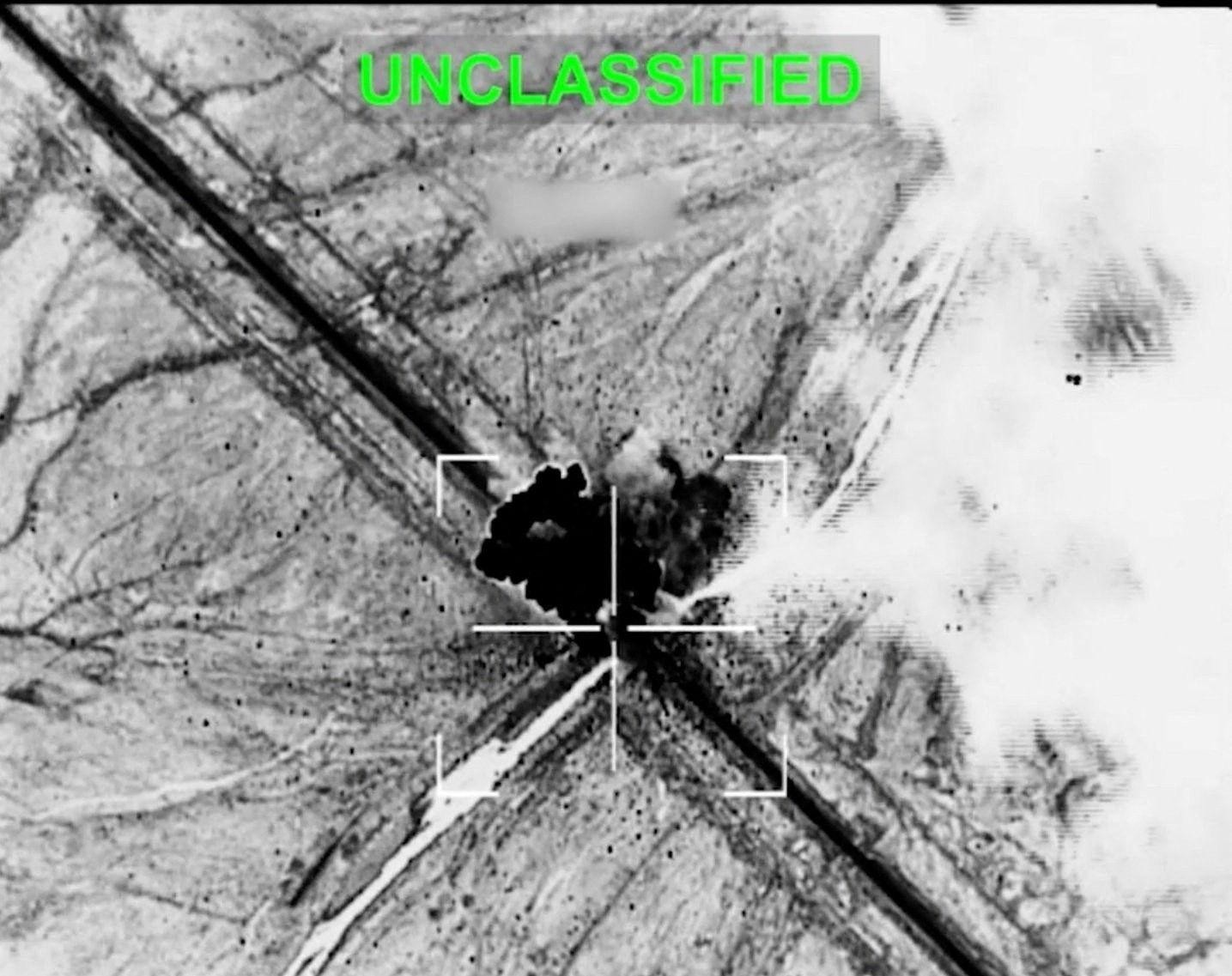
WASHINGTON/CAIRO — The United States launched new airstrikes against Iran on Saturday, according to Central Command, after two American military personnel were killed in Jordan and another went missing following an Iranian attack. This escalation, ordered by President Donald Trump, aims to degrade Iran's ability to threaten shipping in the Strait of Hormuz and punish the Islamic Revolutionary Guard Corps (IRGC) for the attack on US forces. The strikes come as an interim ceasefire deal collapsed last week, raising fears of a return to all-out war that could disrupt global energy supplies and impact the Philippines.
What Led to the Renewed US Strikes on Iran?
The conflict began when the US and Israel launched strikes on Iran in late February, targeting its missile program and regional proxies. Since then, tensions have simmered, with an interim ceasefire falling apart. Central Command reported that two US service members died on Friday, with a third missing, bringing the total US deaths since the war started to 16, with over 420 wounded. Defense Secretary Pete Hegseth posted on X, 'Godspeed, heroes. Their sacrifice only stiffens our resolve.'
Iran's supreme leader, Ayatollah Mojtaba Khamenei, responded by calling Trump's signature 'utterly worthless and devoid of credibility' after repeated US breaches of the interim deal. He warned that Iran and the 'Resistance Front' have 'unforgettable lessons' for the US, though his whereabouts remain unknown.
How Are Regional Allies Affected?
Iranian strikes have spread beyond US forces, hitting Kuwait, Bahrain, Jordan, and Saudi Arabia. In Kuwait, the armed forces intercepted missiles and drones, but some firefighters and oil workers were injured. Iran's IRGC claimed to have struck a US military support center at Camp Arifjan and a radar facility at Ali Al Salem Air Base. Kuwait Petroleum Corporation reported significant damage to an oil facility. In Bahrain, the IRGC targeted Sheikh Isa Air Base, and in Jordan, they destroyed at least two US fighter aircraft, according to Iranian state TV. Saudi Arabia's early warning system issued alerts in Al-Kharj and Yanbu, though the IRGC made no mention of attacking the kingdom.
What Is the Battle for the Strait of Hormuz?
The Strait of Hormuz, a critical chokepoint for about one-fifth of the world's oil supply, is at the center of this conflict. The US says it is enforcing a naval blockade, while Iran targets vessels violating its rules. The European Union and Gulf states have called on Iran to halt all attacks and keep the strait open without conditions. For the Philippines, which relies on imported oil, any disruption could mean higher fuel prices and economic strain. As a nation that values stability and open trade, we must watch these developments closely.
What Does This Mean for the Philippines?
As an archipelago nation, the Philippines understands the importance of maritime security. This conflict reminds us of our own challenges in the South China Sea. While we support our allies, including the US, we must also pray for peace. Our Catholic faith calls us to be peacemakers, even as we stand with those who defend freedom. The government should continue to engage diplomatically, avoiding entanglement while protecting our interests. Let us hope that cooler heads prevail, and that this escalation does not spiral into a wider war that harms innocent people, including our overseas Filipino workers in the Middle East.
Frequently Asked Questions
Why did the US renew strikes on Iran?
The US launched strikes after two military personnel were killed in Jordan and another went missing following an Iranian attack. The strikes aim to degrade Iran's ability to threaten shipping in the Strait of Hormuz and punish the IRGC.
How many US service members have been killed in this conflict?
Since the war began, 16 US service members have been killed, and over 420 have been wounded. The latest deaths occurred on Friday in Jordan.
What is the impact on global oil supplies?
The conflict threatens the Strait of Hormuz, which handles about one-fifth of the world's oil supply. Disruptions could lead to higher fuel prices globally, affecting the Philippines and other import-dependent nations.
How are Gulf states responding to Iranian attacks?
Kuwait, Bahrain, Jordan, and Saudi Arabia have faced Iranian strikes. The EU and Gulf states have called for an immediate halt to attacks and for keeping the strait open. Saudi Arabia issued alerts but did not confirm direct attacks.