
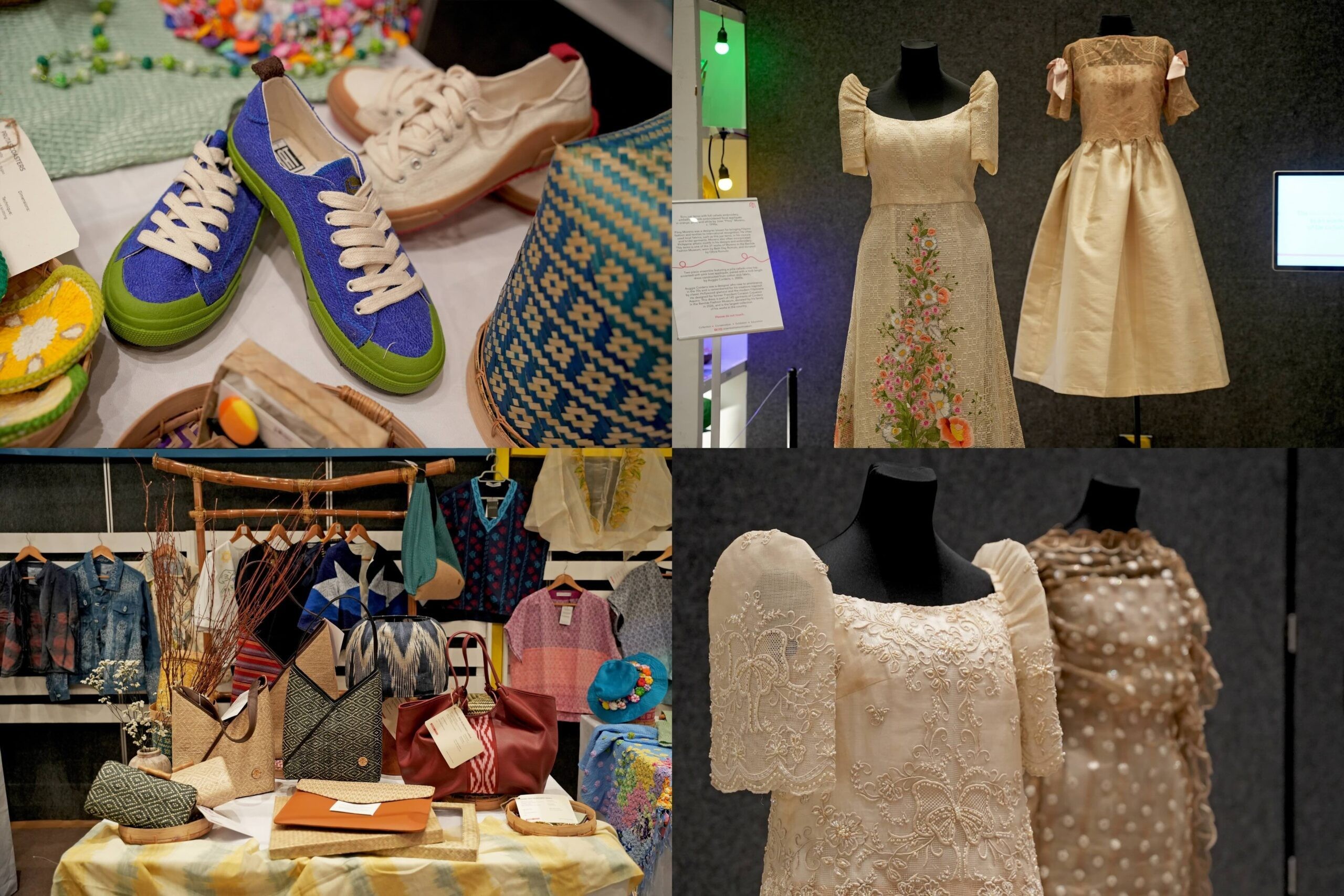
Manila, October 2026. A new generation of Filipino weavers is pulling one of the country's oldest crafts back from the edge of extinction, and the proof was on full display at the 16th Likhang Habi Market Fair, which showcased young artisans carrying forward weaving traditions from Batangas to Bukidnon.
According to Rappler, which covered the fair organized by HABI: The Philippine Textile Council, the event has become the clearest sign yet that handwoven textiles, long listed among the country's slowly dying art forms, are being taken up by younger hands.
A Fourth-Generation Weaver Speaks
Algene Fernandez, a 21-year-old weaver, is part of that shift. She told Rappler she is the fourth generation of her family to work in the industry.
It's really about the people behind every craft that we create, she said. It represents the sacrifices, the hard work, the time and effort that they have put into the piece.
That generational handover is exactly what HABI set out to achieve. Rambie Lim, a founding member of the council who represents the Rurungan Collective, remembers how different the mood was when the organization started.
When HABI started, weaving in the Philippines was dying, Lim said. But through the years of HABI, we've really seen the growth and the interest from weavers who are younger.
In the early days, she recalled, weavers would shrink from recognition: Ay, hindi, weaver lang ako, they would say. No, I'm just a weaver. That hesitation has turned into pride, and older weavers now see their skills as something worth passing on.
Why Handwoven Textiles Matter to Communities
Adelaida Lim, HABI's president emeritus, said the fair's real work happens when buyers meet artisans face to face. A purchase becomes an education, and buyers walk away understanding what a piece costs in hours and skill.
From the customer's side, they realize, 'Ah, ang hirap pala gawin,' she said. Oh, so it's hard to do. When the buyer realizes that, they appreciate the product.
Behind every woven piece stands an entire village, a point collector like Toni Rose Jazmin make vividly. She gathers fabrics from provinces across the country and works with weavers from Bicol, Camarines Sur, Abra, Kalinga, and Bukidnon.
For me, every thread has a story; every thread is a story, Jazmin said. I just want to showcase that woven fabric in the Philippines is very beautiful.
HABI president Mia Villanueva framed the craft as living history rather than mere merchandise. Weaving is part of the culture, and it expresses what their history was, she said. A lot of the things in the textile have symbolism, so the young people have to learn that.
Competition Revives Old Techniques
Beyond the market fair, HABI recently launched the Lourdes Montinola Piña Weaving Competition for weavers under 30. One of this year's winners was just eight years old.
Ever since we started the competition, so many new techniques have been revived, Adelaida Lim said. It raised the level of excellence.
Rambie Lim, who grew up in Lipa, Batangas, said her own hometown now has two weaving groups pushing to join HABI, proof that forgotten traditions can resurface when young people ask their elders the right questions. Her challenge to Filipinos is direct: come to HABI and explore your own identity through the textile.
An Environmentally Sound Alternative to Polyester
The revival also lands at a moment when the global textile industry depends heavily on cheap synthetic fabrics like polyester, which clog landfills and pollute waterways. Philippine weaving communities, by contrast, work with indigenous natural fibers such as cotton and abaca.
The polyester that they blend with cotton creates all kinds of pollution and garbage, Adelaida Lim said. Whereas if they were to stay with cotton, it goes back again to the environment.
She added that the Philippine weaving industry is genuinely sustainable if it gains momentum, and that it has a role to play in climate change. That message is drawing in environmentally conscious young buyers, a demographic the craft has never really courted before.
I really hope that the next generations take it on, because it's not just a leadership role, it's a responsibility, she said. You can't just be responsible to us Filipinos; you're responsible to the whole of the environment.
From Interest to a Mass Movement
Maribel Ongpin, HABI's chairman emeritus, said the growth has followed a simple pattern: exposure generates interest. Young people embraced weaving first, then fashion designers joined, and once that started, it became a mass movement in a sense.
Looking ahead, HABI plans to widen its grassroots reach through programs supporting young artisans. The effort echoes broader cultural pushes across the country, including the National Commission for Culture and the Arts' long-running support for events like Baguio's Tam-awan international arts festival, now in its 16th year, according to