
Crisis in Numbers: 2.4 Million Filipinos Face Uncertainty as Middle East Conflict Escalates
The ongoing missile strikes across the Middle East that began on February 28 have placed over two million Filipinos in grave danger, with families across the archipelago gripped by fear and uncertainty as the conflict shows no signs of abating.
According to the Department of Foreign Affairs (DFA), an estimated 2.4 million Filipinos currently reside in the Middle East, with the majority concentrated in Saudi Arabia and the United Arab Emirates. This massive diaspora represents the backbone of our nation's remittance economy, sending billions of dollars home to sustain Filipino families.
Geographic Distribution and Vulnerability
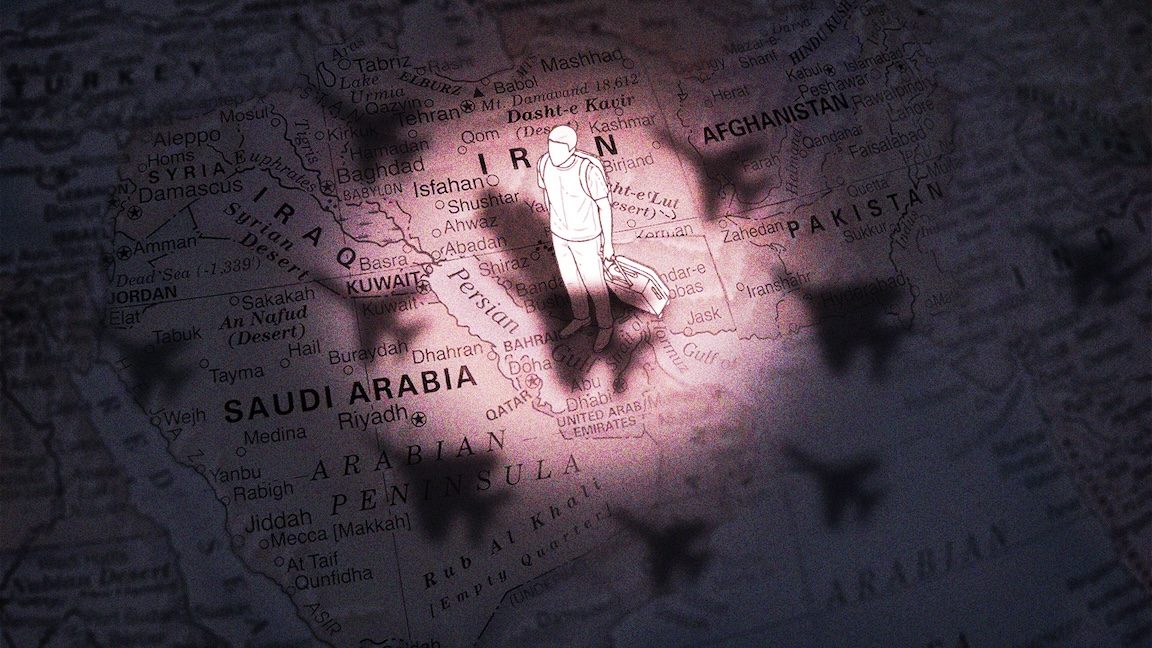
Maps from the Institute for the Study of War reveal that missile strikes have been concentrated in Iran and coastal areas of the Gulf region, encompassing Bahrain, Kuwait, Iraq, Oman, Qatar, Saudi Arabia, and the UAE. These are precisely the areas where our kababayans have built their lives and livelihoods.
The Foreign Service Institute's 2024 data showed 2.1 million Filipino migrants in the region, with approximately 60,152 undocumented workers representing a particularly vulnerable 3% of the population. Senator Raffy Tulfo, chair of the Senate committee on migrant workers, has expressed deep concern over these undocumented Filipinos as regional tensions escalate.
Alert Levels and Evacuation Status
As of March 2, approximately 86,000 Filipinos find themselves in areas where the DFA has raised varying crisis alert levels. While only Alert Level 4 areas mandate repatriation, those under Alert Level 3 face urgent evacuation advisories. Lower alert levels require Filipinos to exercise extreme caution and preparedness.
Economic Lifeline at Risk
The one million strong Filipino workforce in the Middle East forms the cornerstone of our overseas employment sector, representing 52% of the Philippines' total migrant workforce. In 2025 alone, these dedicated OFWs sent home $6.48 billion in cash remittances, equivalent to roughly P380 billion, accounting for 18.19% of global remittances to the Philippines.
The Bangko Sentral ng Pilipinas data confirms that Saudi Arabia and the UAE remain the primary sources of these crucial financial flows that sustain millions of Filipino households across our islands.
Educational Community in Peril
Beyond workers, the Commission on Filipinos Overseas estimates that approximately 25,000 Filipino students and 1,000 educational personnel currently operate in the Gulf region. Most Philippine Schools Overseas, which maintain our national curriculum abroad, are concentrated in areas now under missile threat, though authorities maintain these institutions remain operational and secure.
Gender Dynamics
The Philippine Statistics Authority's 2024 survey reveals that six out of ten OFWs in Western Asia are women, highlighting the feminized nature of Filipino migration to the region and raising additional concerns about safety and security.
Government Response and Assistance
While large-scale repatriation remains logistically challenging, the government has advised Filipinos to shelter in place and follow host government directives. The Overseas Workers Welfare Administration has activated all diplomatic posts and offices to provide emergency assistance to distressed nationals.
As this crisis unfolds, the fate of 2.4 million Filipinos hangs in the balance, their safety intertwined with the stability of a region that has become integral to our nation's economic survival. The government's measured response reflects both the complexity of the situation and the critical importance of maintaining our overseas workforce while ensuring their protection.