
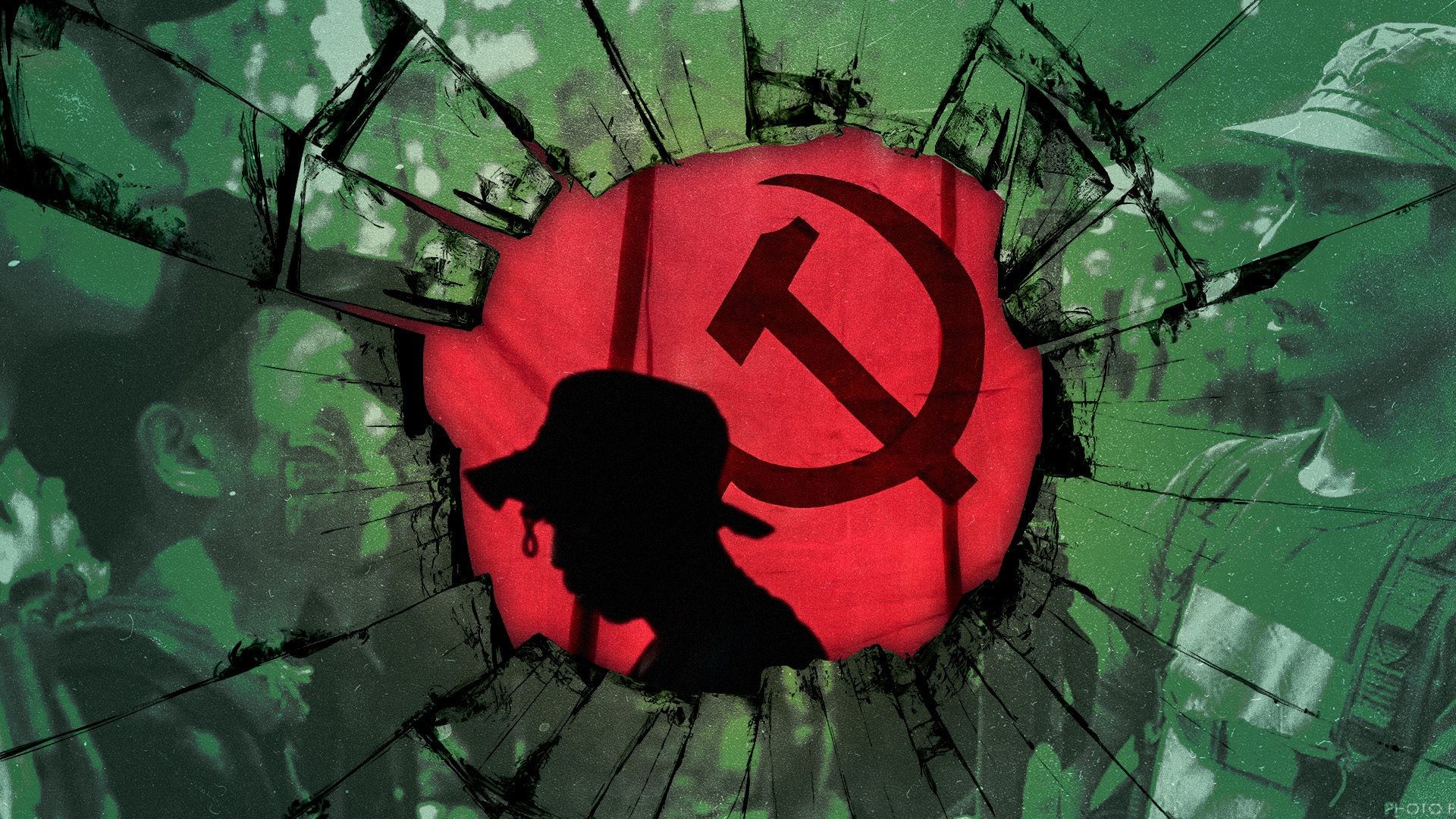
The Communist Party of the Philippines and its New People's Army are in their deepest crisis in the movement's 58-year history, with clashes between rebels and government forces down 61 percent over five years, according to an analysis published by Rappler on October 27, 2026.
The piece, an opinion column tracing the insurgency from its founding in Marcos-era Central Luzon to its current remnants, concludes that the CPP-NPA may never again reach the strength it enjoyed at its peaks in 2005 and 2017. Its author, writing from decades of observing the revolutionary left, puts it bluntly: it is twilight time for the CPP-NPA's forever war.
From 60 Fighters to 25,000: A Short History
The NPA launched its Maoist protracted people's war in 1969 with about 60 fighters, nine automatic rifles and 26 single-shot rifles and pistols in Central Luzon. Under martial law it grew into a nationwide force with guerrilla fronts in every strategic mountain area outside the Moro regions.
CPP founding chair Jose Ma. Sison later disputed the widely reported figure of 25,000 fighters in the 1980s. The party measured strength in high-powered rifles, and by Sison's own count the NPA held 6,100 automatic rifles in 1986, its peak at the time.
The 1986 boycott of the snap presidential election proved a costly error. While the CPP-NPA waited for the countryside to encircle the cities, the Filipino masses toppled the Marcos dictatorship through an unarmed uprising in EDSA. Peace talks between the Cory Aquino government and the National Democratic Front collapsed within a year, and by the early 1990s the party split into reaffirmists and rejectionists.
Recoveries and Setbacks
The movement recovered at the turn of the millennium, surpassing its 1987 rifle count in 2005, then declined again under President Gloria Macapagal Arroyo's counterinsurgency campaigns. It rebounded under Benigno Aquino III, with Mindanao offensives rising from 250 in 2010 to more than 500 in 2015, and armed strength exceeding 7,000 rifles across 110 guerrilla fronts in 73 provinces.
The turning point came in late 2018, when President Rodrigo Duterte adopted a whole-of-nation approach and created the National Task Force to End Local Communist Armed Conflict, which President Ferdinand Marcos Jr. continued. In 2024 Marcos claimed no active guerrilla fronts remained, and the NTF-ELCAC counted only 785 rebel remnants. The Rappler analysis calls those exultant claims not credible, given continued reports of clashes, but the setbacks are real.
The International Crisis Group estimates the NPA has shrunk to between 1,200 and 2,000 fighters. The Armed Conflict Location and Event Data Project recorded only 106 clashes in 2025, against 273 in 2020. The main battle zones have shifted from Western Visayas and Northern Mindanao to Eastern Visayas and Caraga.
Leadership Decimated, Strategy Stuck
Over the past eight years the military has killed many top leaders, including CPP chairman Benito Tiamzon, secretary-general Wilma Tiamzon, Jorge Madlos, Menandro Villanueva and Randall Echanis. Others, such as Victor Ladlad and Rey Casambre, sit in prison. Sison, Fidel Agcaoili, Fidel Agcaoili's longtime NDF colleague Luis Jalandoni and others died natural deaths, leaving a gap in the movement's public voices.
Deeper than personnel, the analysis argues, is the strategic rut. Mao's protracted people's war requires progression from guerrilla warfare to mobile and positional warfare, and from strategic defensive to offensive. After nearly six decades the NPA never left the first stage. The war has claimed between 40,000 and 60,000 lives, longer than any of America's forever wars.
The model itself, the column argues, was a bad fit for a country that urbanized, built a middle-income economy, and moved away from agriculture into wage labor and services. Communist insurgencies are fading worldwide; India's Naxalites are dwindling and Peru's Shining Path survives mainly through cocaine trafficking.
Human Rights Shadow Over the Success
The whole-of-nation strategy has drawn heavy criticism for thousands of reported violations, including illegal arrests, torture, extrajudicial killings and disappearances, many against legal progressive activists. The government has largely brushed aside the denunciations of human rights groups.
The NTF-ELCAC, for its part, has gone on the offensive internationally. Days ago it denied NDFP accusations and pointed to the NPA's own admissions of executions under the pretext of revolutionary justice. Earlier, the Daily Tribune reported that the task force asked the United Nations to investigate 98 documented summary executions attributed to the CPP-NPA-NDF, calling the spy-tagging of victims a war crime.
What Comes Next
The column's prescription is political, not military. If the CPP still hopes for power, it should negotiate a comprehensive settlement and convert its remaining mass base into an electoral one, following the example of Nepal's Maoists, who signed a peace agreement in 2006 and won elections two years later. Every previous round of government-NDF talks failed because the party treated negotiation as a tactic within the armed struggle, angling for prisoner releases and propaganda gains while still chasing total military victory.
As the author wrote in 1991 under a pseudonym, it is difficult, if not impossible, to win a revolution by clinging to a strategic framework of a bygone era. Thirty-five years on, that verdict looks closer than ever.
Frequently Asked Questions
How strong is the NPA today?
The International Crisis Group estimates between 1,200 and 2,000 fighters, down from a claimed peak of more than 7,000 rifles in the mid-2010s. The government claims only 785 remnants remain.
How many clashes occurred between the NPA and government forces in 2025?
ACLED recorded 106 clashes in 2025, a 61 percent drop from 273 in 2020.
How long has the CPP-NPA insurgency lasted?
The NPA launched its protracted people's war on March 29, 1969, making the conflict nearly six decades old, with an estimated 40,000 to 60,000 lives lost.
Did any communist insurgency succeed through elections?
Yes. Nepal's Maoists signed a peace agreement in 2006 and became the ruling party through elections in 2008-2009.