
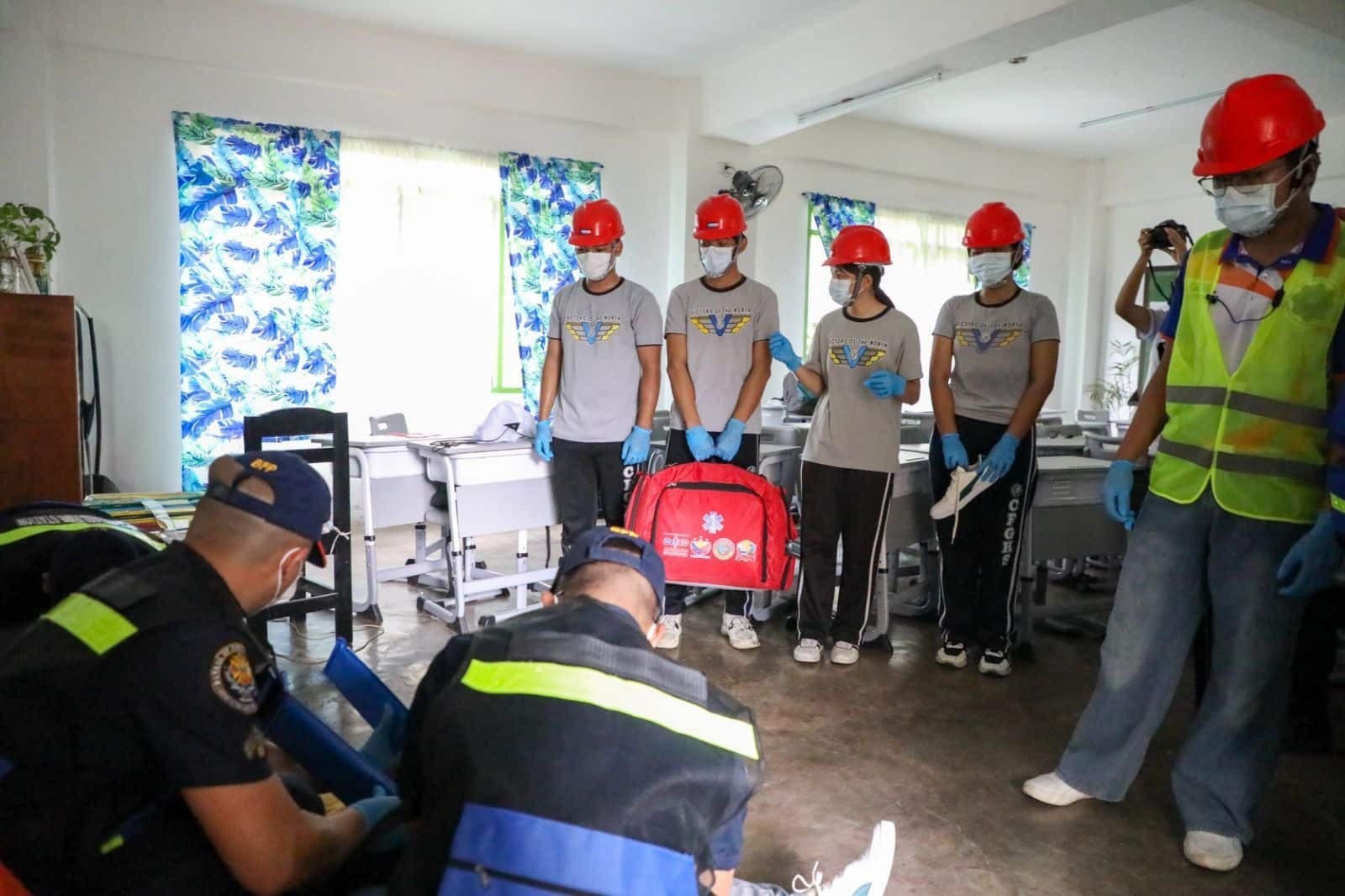
The Department of Education (DepEd) led the National Simultaneous School Safety Drill on Thursday, a nationwide exercise designed to strengthen emergency preparedness in both public and private schools. The focus is on improving multi-agency coordination during active threat scenarios, using localized contingency plans to protect the safety and psychosocial well-being of students, teachers, and school staff.
At the heart of this year's drill is a significant shift in approach. Following consultations with medical and mental health experts, including the Philippine Psychiatric Association and the Philippine Pediatric Society, DepEd has updated its guidelines to prioritize a trauma-informed, child-centered standard under a strict 'Do No Harm' directive. This means a clear end to hyper-realistic elements, active aggressor role-playing, and graphic threat simulations that could cause distress.
What changed in the school safety drill guidelines?
Instead of startling simulations, drills are now triggered by a distinct early warning alarm, separate from standard fire or earthquake signals. The goal is to build procedural muscle memory without creating fear. At Carlos F. Gonzales High School in Bulacan, the drill began with an emergency alert via the public address system and calls to the 911 hotline and local police, prompting teachers and students to execute protective actions inside their classrooms.
Police officers then arrived, operating under strict protocols with firearms concealed, to clear response teams for first aid while the school initiated reunification procedures. Observers from the Department of the Interior and Local Government, the Philippine National Police, and Disaster Risk Reduction and Management Offices evaluated the simulation to identify operational gaps and refine local plans.
Why is DepEd changing its approach to safety drills?
Education Secretary Sonny Angara, in a message read on his behalf, explained the philosophy behind the new approach. 'We want our schools to be places where a learner's biggest concern is an upcoming exam, a missed assignment, or simply getting through another busy day at school, not whether they are safe inside their own classroom,' he said.
'This drill is not about dwelling on frightening situations. It is about making sure that when an emergency happens, our school community knows how to respond. The purpose of a drill is not to look perfect. It is to help us become better prepared,' Angara added, thanking teachers for their steadfast commitment to student safety.
What is the new School Contingency Plan?
DepEd is also rolling out a new School Contingency Plan nationwide. This plan integrates active threat responses like lockout, lockdown, evacuation, and reunification into existing disaster management frameworks. Schools are mandated to implement physical site hardening measures, which include single-entry points for visitors, secure perimeter gates, routine fencing inspections, and internal classroom locking mechanisms.
In the event of a threat, the School Disaster Risk Reduction and Management Committee automatically becomes an Incident Management Team. Comprehensive response guidelines detail behavioral compliance during police interventions, multi-agency dispatch, integrated medical triage, and secure family reunification. Post-incident protocols call for immediate Psychological First Aid and structured learning continuity under DepEd's 4H Framework (Hinto, Hinga, Hinay, Hayo) for a safe, phased recovery.
What does this mean for schools and communities?
This evolution in policy reflects a broader understanding that safety and mental health go hand in hand. For our schools in the provinces and the cities, this means preparedness that respects the psychological well-being of our children. It is a sober, practical approach that equips our teachers and students with the skills to respond without the trauma of graphic reenactments. It is a welcome step towards building resilient school communities across the archipelago.