
Duterte ICC trial brief details 56 drug war killings
ICC prosecutors detail 56 charged incidents, the Davao Model, police reward claims, and the victim families whose participation remains uncertain before trial.
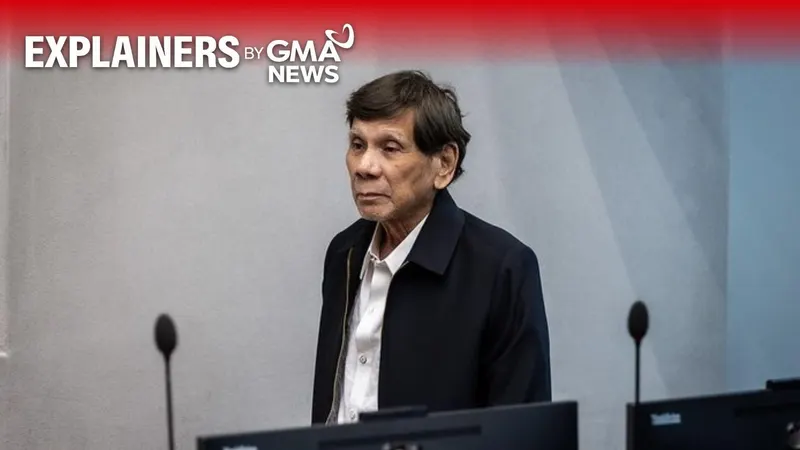
ICC prosecutors detailed 56 charged incidents in an updated trial brief filed Oct. 16, setting out their crimes against humanity case against former President Rodrigo Duterte.
The filing describes how an alleged system of killings in Davao City became national policy after Duterte took office in June 2016. It also records a dispute over evidence that could cost at least 16 victims their place in the proceedings, according to GMA Network.
How prosecutors describe the Davao Model
The Office of the Prosecutor argues that the 56 incidents demonstrate a widespread and systematic attack on civilians. Its brief traces the alleged campaign to the Davao Model, under which people accused of involvement in illegal drugs were neutralized.
Prosecutors say the approach operated through formal Philippine National Police structures and through appointments of trusted figures to senior positions. They allege that police understood directives to neutralize targets as instructions to kill. The brief also describes a covert system of cash rewards, with payments rising according to a target's level.
On July 1, 2016, Duterte's first day as president, newly appointed PNP chief Ronald dela Rosa issued Command Memorandum Circular 16-2016. The order, signed by the now-senator, launched Project Double Barrel nationwide.
- Project Tokhang used barangay and police watchlists for house-to-house visits and required local units to conduct neighborhood clearance operations.
- Project High-Value Target focused on manufacturers, senior drug figures and public officials named on what was called the PRRD List.
Briev's account of the brief says the charges span three counts: Davao Death Squad murders from 2013 to June 2016, high-value target killings from July 2016 to August 2017, and deaths during tokhang operations from July 2016 to September 2018.
Why the case contains 56 incidents
The number emerged only after months of argument among prosecutors, Duterte's lawyers and victims' representatives. Pre-Trial Chamber I confirmed the charges on April 23, 2026, using 49 representative incidents while noting that the actual scale of deaths during the charged period was significantly greater.
On Aug. 31, prosecutors notified the defense of eight more incidents, raising the proposed total to 57. By then, they had disclosed more than 62,000 items of evidence.
Defense counsel Peter Haynes KC challenged the additions that day under Rule 134(1) and sought a judicial determination. The defense argued that new incidents required Pre-Trial Chamber authorization, denied Duterte fair notice and exposed him to a virtually unlimited range of alleged crimes.
Trial Chamber III ruled on Oct. 9 that Incidents 50 to 56 fell within the confirmed charges. It removed Incident 57 because it fell outside Count 2's temporal boundary, defined as between July 2016 and July 2017. The updated brief filed seven days later fixed the roster at 56.
What the ruling means for victim families
The chamber's date limits created another problem. On Oct. 29, the ICC Registry's Victims Participation and Reparations Section reported that at least 16 previously authorized victims could be excluded. They appear in 13 applications among 539, and their relatives were killed on dates just outside the strictly interpreted windows.
The Registry asked for urgent guidance on whether to revoke their participation status. The Common Legal Representatives of Victims answered on Nov. 12, arguing that limits on prosecution evidence should not narrow rights already granted to families.
The representatives said removing that status months after recognition caused profound sadness and anxiety. They asked the chamber to confirm that indirect victims may participate even when the dates of particular incidents fall outside the tightened count windows.
As of Nov. 27, Trial Chamber III had not ruled on the request. KioskNews reported that proceedings were set to open Nov. 30, with 539 victim families participating and a trial expected to last months, if not years.
Speeches, Bulacan and the killing of Kian delos Santos
The prosecution brief connects Duterte's public statements with increases in fatal police operations. During simultaneous One Time Big Time raids across Bulacan on Aug. 15 and 16, 2017, police killed 32 people within 24 hours.
Duterte praised the operation on Aug. 16:
They said that 32 died in Bulacan in a massive raid. That's good. If we could kill another 32 every day, then maybe we can reduce what ails this country.
That night, police killed 17-year-old student Kian Loyd delos Santos in Barangay 160, Caloocan City. His death is listed as Incident 30. Police said he fired at them, but security camera footage and eyewitness accounts showed that he was unarmed, dragged into an alley and shot while kneeling.
Kian's name became known far beyond Caloocan. In the prosecution's filing, his case serves as one concrete test of official accounts that too often went unchallenged.
Police accountability figures
Prosecutors also argue that domestic mechanisms failed to answer the deaths reported during anti-drug operations from 2016 to 2019. They cite a 2025 congressional panel report finding that 99.17 percent of administrative complaints brought before the PNP Internal Affairs Service ended in the exoneration of the personnel involved.
The same report says only 30 of 32,803 police officers charged during the Duterte administration were dismissed. Those figures now sit beside the 56 charged incidents as judges consider both the alleged attacks and the institutions accused of enabling them.
Frequently asked questions
How many incidents are charged against Duterte?
The updated prosecution brief contains 56 incidents across three counts. Trial Chamber III accepted seven additions but struck out Incident 57 for falling outside Count 2's time limit.
Why could 16 victims lose participation status?
The ICC Registry said their relatives were killed just outside the tightened date windows. Victims' lawyers oppose exclusion, and Trial Chamber III had not decided the issue as of Nov. 27.
What evidence supports the prosecution brief?
Prosecutors cited more than 62,000 disclosed items, police records, witness accounts, presidential speeches and a 2025 congressional report on police discipline.