
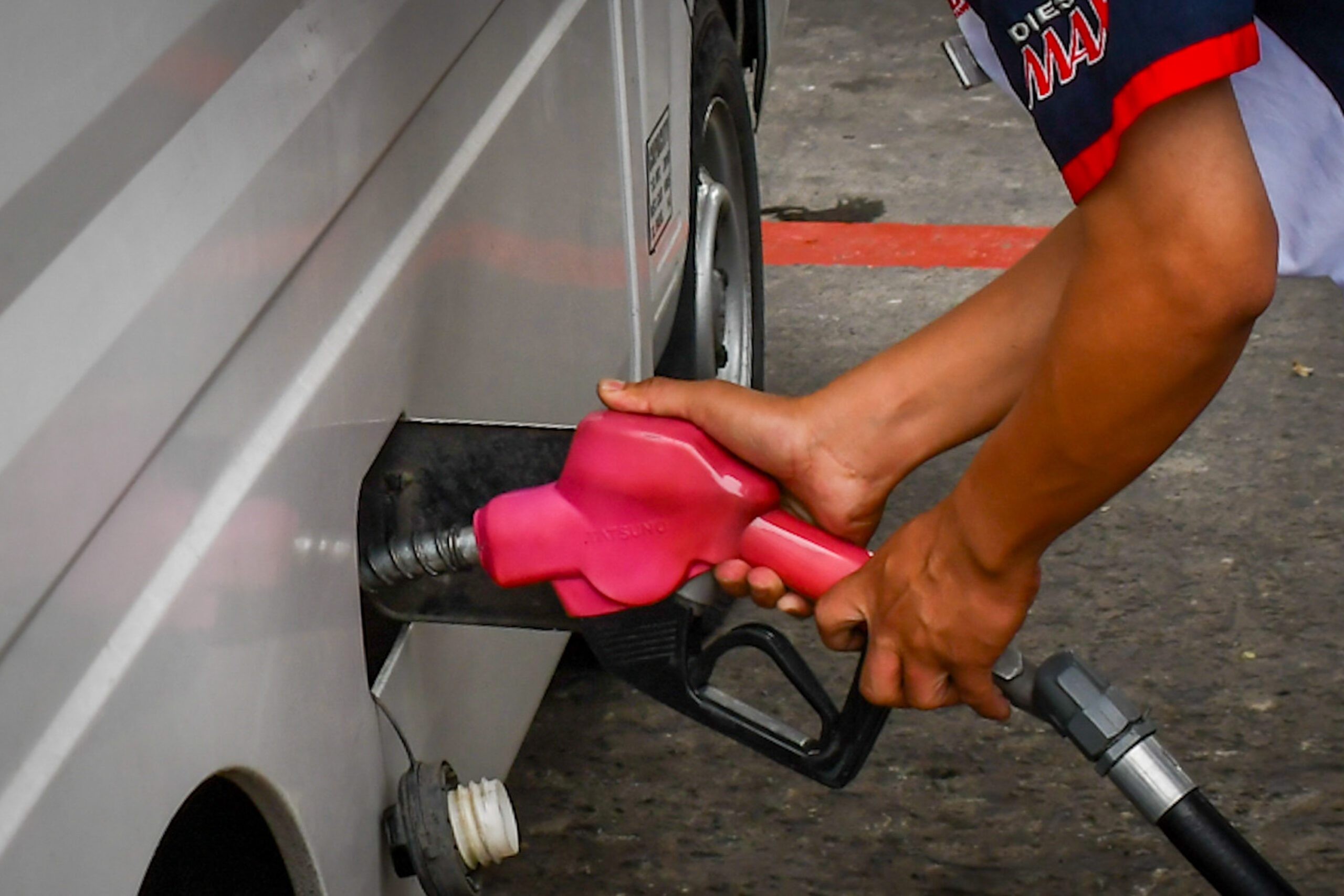
MANILA, Philippines — A successful effort by Yemen's Houthi rebels to shut the Bab el-Mandeb Strait would strike at one of the world's most important oil shipping routes, potentially triggering a fresh surge in crude prices that could be felt at Philippine pumps and add to strains on the global economy.
Yemen's Iran-aligned Houthis on Monday declared a naval blockade against Saudi Arabia, its military spokesperson said. A closure of the Red Sea's southern gateway would remove a critical alternative route for the kingdom to the Strait of Hormuz and intensify fears of shortages. For the Philippines, which imports nearly all of its oil, any disruption in global supply chains means higher fuel costs for jeepneys, tricycles, and fishing boats.
Why should Filipinos care about the Bab el-Mandeb Strait?
The Bab el-Mandeb connects the Red Sea with the Gulf of Aden and is a key route for crude and fuel shipments moving between the Middle East, Europe, and Asia. Since Houthi attacks on shipping began in 2023, many vessels have already rerouted around Africa, adding costs and delays to global trade. A full closure would have the biggest immediate impact on Saudi crude exports from the Red Sea port of Yanbu.
Asian refiners receiving those barrels could face delays of around a month as tankers are forced to sail around the Cape of Good Hope, said Matt Smith, commodity research director at Kpler. The Philippines, which relies heavily on imported refined petroleum products from the Middle East and Asia, would feel the pinch as global prices spike.
How high could oil prices go?
Oil rose less than 1% after the Houthi statement to trade around $89 a barrel. But analysts warn that a full blockade could push prices back above $115 to $120 a barrel, according to John Paisie, president of consultancy Stratas Advisors. European diesel refining margins already surged to a record above $65 a barrel on Friday, reflecting the market's jitters.
“After oil prices moved higher on escalating US-Iran tensions last week and the resulting slowdown in Hormuz transits, traders are watching for catalysts that would justify a further rally,” said Richard Bronze of consultancy Energy Aspects. “The Houthis resuming maritime attacks and effectively shutting the Bab el-Mandeb would certainly qualify.”
What does this mean for the Philippine economy?
Higher oil prices mean higher costs for transport, electricity, and goods. The impact would extend far beyond oil markets, said Paisie. “If they really stop and severely hinder those barrels through the Red Sea, that is going to have an impact on oil prices as well as refined product prices. It undermines the whole global economy. At some point, you could have a global recession.”
For the Philippines, which is still recovering from the pandemic and grappling with inflation, a new oil shock could derail growth. The government should prepare contingency plans, including boosting strategic petroleum reserves and exploring alternative supply routes.
What is the Houthi blockade?
The Houthis, a rebel group backed by Iran, have been attacking shipping in the Red Sea since 2023 in solidarity with Palestinians in Gaza. Their latest declaration of a naval blockade against Saudi Arabia escalates the conflict and threatens a key chokepoint for global energy trade.
FAQ: Key questions about the Houthi blockade and oil prices
How will this affect fuel prices in the Philippines?
Higher global crude prices will likely lead to higher pump prices in the Philippines within weeks, as local oil companies adjust to rising import costs. The government may need to consider subsidies or tax cuts to cushion the blow.
What can the Philippine government do?
The government can tap its strategic petroleum reserves, negotiate with suppliers for alternative routes, and implement fuel subsidy programs for public transport drivers and fisherfolk. It should also push for diplomatic efforts to de-escalate the conflict.
Is there a risk of a global recession?
Yes, analysts say a prolonged blockade could trigger a global recession by disrupting supply chains and raising costs for businesses and consumers worldwide. The Philippines, as a small open economy, would be vulnerable to such shocks.
Photo: Rappler