
Recent weeks have tested the Philippines with devastating floods, submerging homes and disrupting lives across Metro Manila and nearby provinces. Yet amid the deluge, a few places stood dry, proving that preparation and thoughtful design can turn the tide against nature's fury.
One such beacon was a church in Macabebe, Pampanga, whose sturdy fence and sandbagging kept its grounds dry while neighbors waded through floodwater. Near the Pasig-Marikina River Channel Improvement Project (PMRCIP), communities saw flood reductions of up to 63 percent. And across Metro Manila, several urban estates weathered the storm thanks to well-executed flood control designs.
These stories are not accidents. They are the fruits of deliberate planning and engineering, showing that flood-proofing measures, when done right, can shield communities during the worst of times.
What lies beneath Bonifacio Global City?
Bonifacio Global City (BGC) rarely makes headlines during storms, and its secret lies hidden underground, right beneath Burgos Circle. A 22-million-liter detention tank, capable of holding stormwater equal to eight Olympic-sized swimming pools, sits below the surface.
When heavy rains hit, stormwater flows into this tank instead of pooling on streets. The tank stores the floodwater temporarily, then releases it gradually into nearby creeks leading to the Pasig River once it's safe. This invisible guardian keeps BGC dry when the skies open up.
How does Vertis North use nature to fight floods?
In Quezon City, Ayala Land's Vertis North takes a greener approach. A one-hectare rain garden acts as a natural flood basin during downpours. Sidewalks are porous, letting water seep into the soil, while runoff travels through perforated pipes to a detention pond. That pond holds stormwater temporarily, releasing it slowly into creeks after the rains subside.
This design works with nature, not against it. The pond may look like a simple water feature to visitors, but it plays a critical role in protecting the community while also supporting local animal habitats.
What invisible force protects Arca South?
Arca South in Taguig City mirrors Ayala Land's commitment to flood resilience. Beneath this planned estate lies an underground stormwater detention tank, connected to manholes, bioswales, and outlets for easy maintenance and water management.
Located under parks and roads, the tank operates out of sight, directing stormwater pipes and drainage systems into its depths. Designed to withstand heavy loads while ensuring continuous drainage, it offers long-term protection for the entire community.
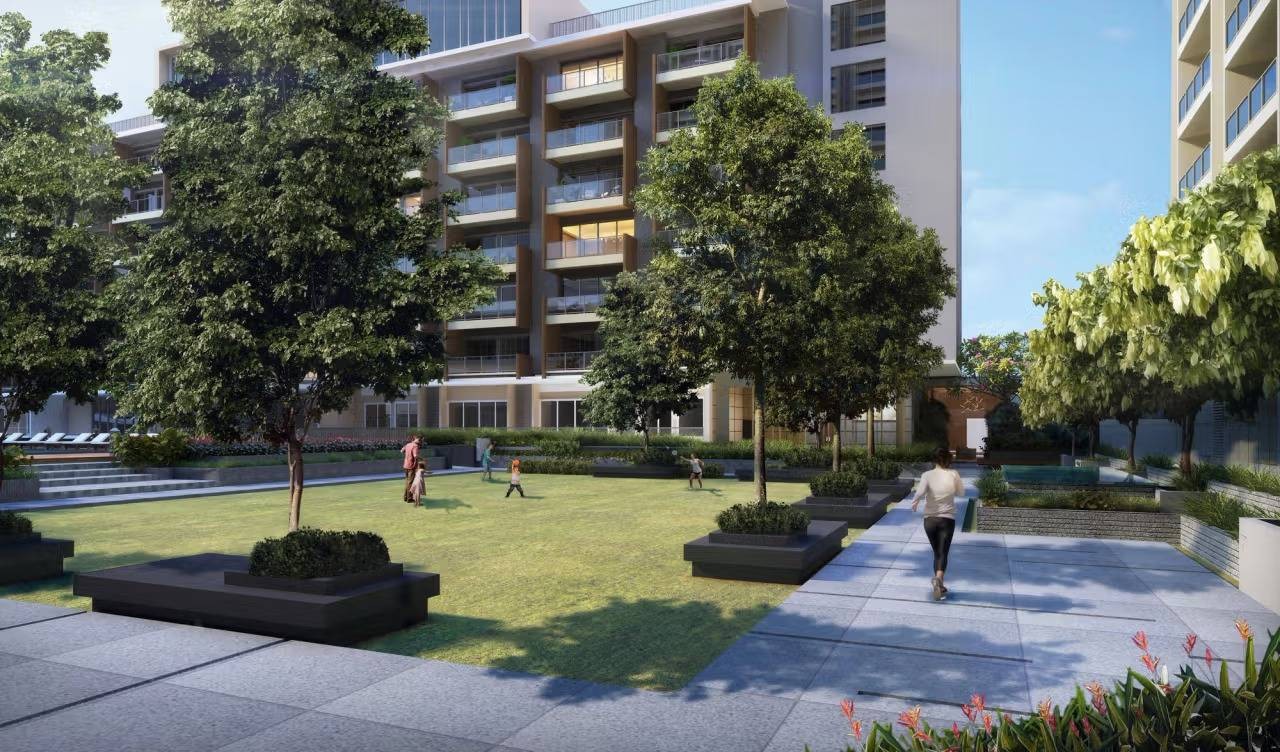
One of the first neighborhoods to benefit is Gardencourt Residences, a 2-hectare community of five residential towers surrounded by courtyards and pocket gardens. With its amenities and thoughtful design, it offers residents the peace of mind that comes with living in a flood-resilient estate.
Can the Philippines build a flood-proof future?
There is hope for the Philippines. The places that stood strong this year send a clear message: flood control works only when planned well and executed properly.
Companies like Ayala Land are proving that communities can be designed to prevent flood devastation, not just react to it. Other developers and local governments can learn from these examples, building defenses that keep our lands dry before disaster strikes.
It's time to focus on getting flood-preventive measures right. We all have a role to play in protecting our loved ones and our homes from the catastrophes that too often visit our shores.
Sources: Ralff Nestor Nacor via Wikimedia Commons; https://ayalaland.com
The author is a self-employed architect with over a decade of experience under Filipino architectural firms, holding a Master's Degree in Interior Design of Commercial Spaces from IED Barcelona, Spain.