
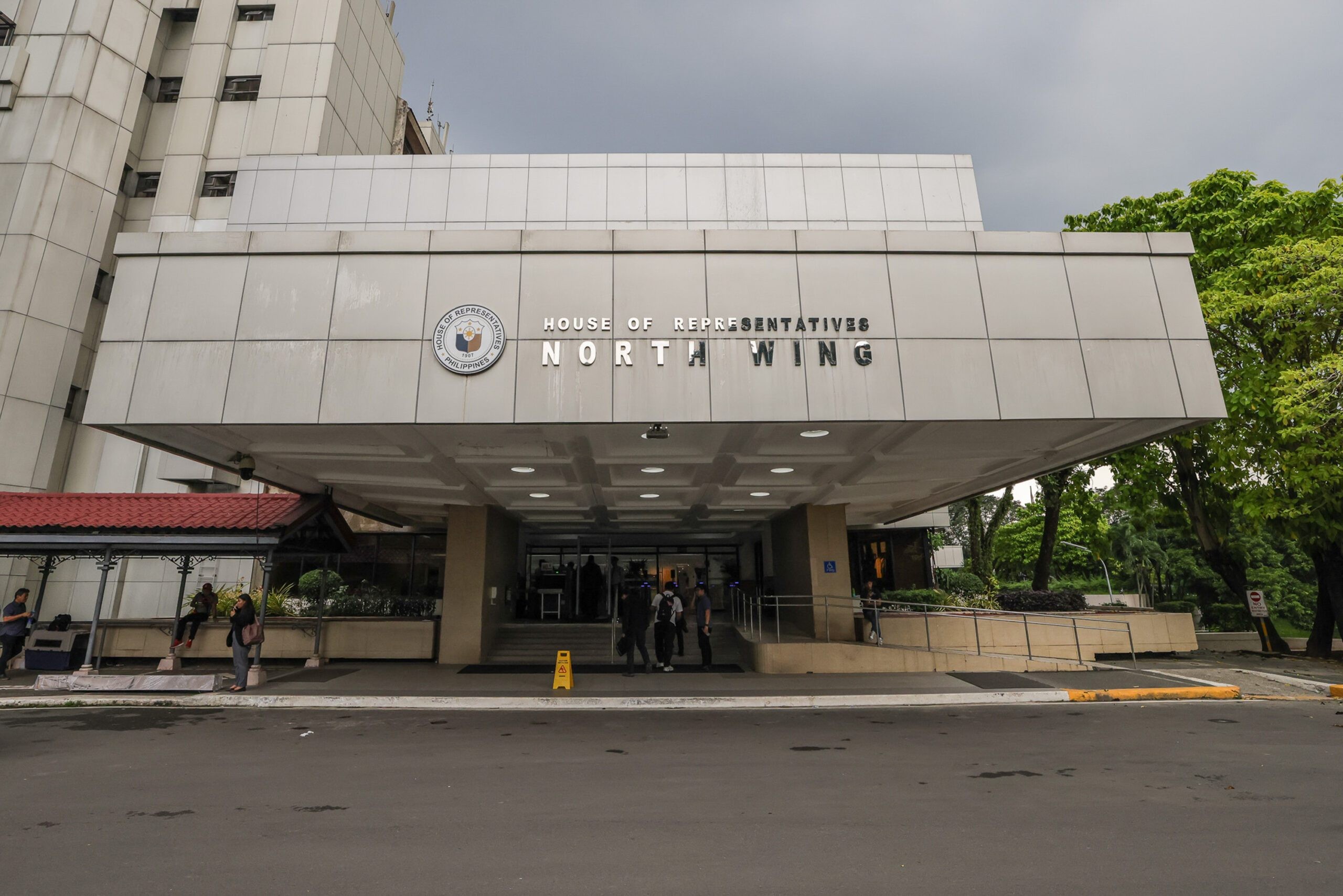
The House of Representatives raised its own 2027 budget by P5 billion, from the P17.6 billion that the executive originally proposed to P22.6 billion, according to Rappler's examination of the chamber's spending bill published on November 3, 2026.
The increase was written into the House General Appropriations Bill by the chamber itself, with no public explanation of where the money will go. Because the House's internal funds do not pass through committee-level scrutiny, the P5 billion was realigned from other government agencies with little debate on the plenary floor.
Where the P5 billion went
The biggest single adjustment landed in maintenance and other operating expenses, or MOOE. The original proposal contained P10.9 billion for that category; the House added P1.95 billion, bringing the new total to P12.89 billion.
Inside that increase sits P658 million for a catch-all line called other maintenance and operating expenses, plus another P457.23 million for traveling expenses. Representation expenses, communication expenses, and professional services each received roughly a quarter billion pesos more.
Capital outlays grew by P1.6 billion. The bill does not say what the money buys, though the House has been building a new secretariat office that costs more than P2.4 billion.
Personnel services rose by P1.45 billion. Of that, P237 million covers the salaries of permanent House employees. The largest single adjustment, P1.15 billion for terminal leave benefits, appeared from zero in the original proposal to more than a billion in the House version, and the reasoning is not immediately clear.
Why the increase is drawing criticism
The proposed P22.6 billion is still lower than the P27.7 billion the House received for 2026, and the chamber stopped padding its supplies and utilities allocations to P1 billion each as it did in past years. That old practice left large sums unused and raised questions about how the savings were eventually spent.
Still, the decision to adjust its own budget by P5 billion without explanation drew the sharpest scrutiny, and it was one reason some lawmakers voted against the spending bill.