
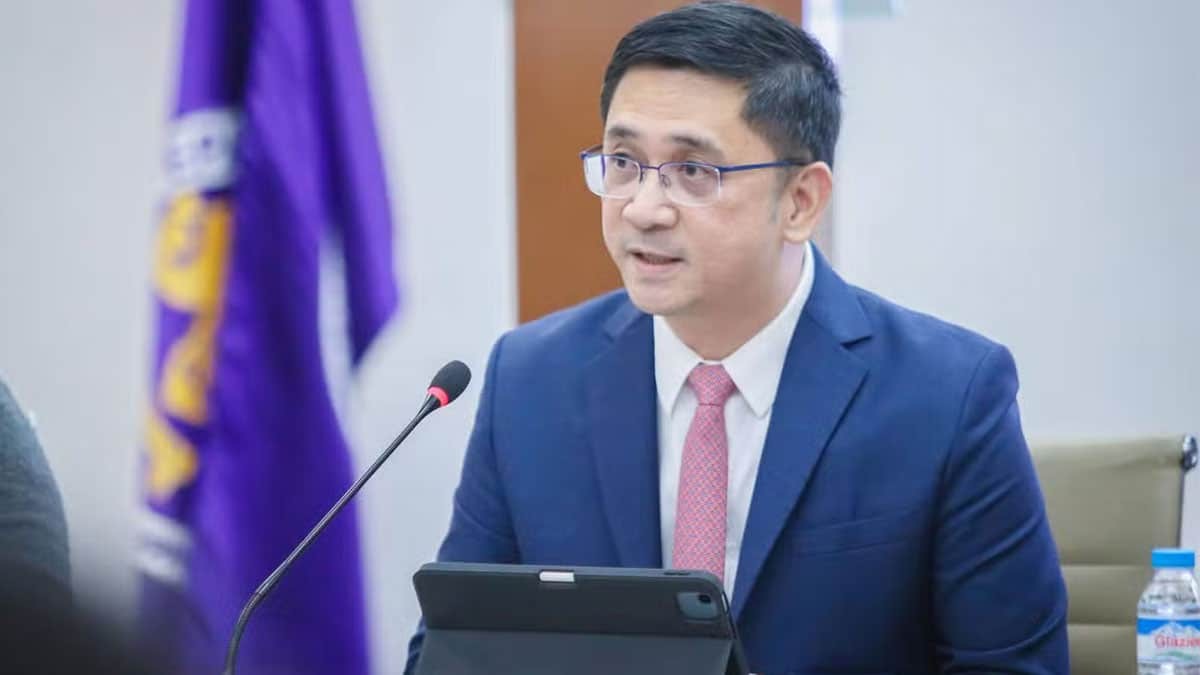
Charlito Martin R. Mendoza formally took his oath as Bureau of Customs commissioner on Nov. 13, 2026, promising to strengthen border security, raise revenue collection, fight smuggling, and keep legitimate trade moving through the country's ports.
In his first statement as Customs chief, Mendoza said he would pursue the priorities of President Marcos and Finance Secretary Go, naming border protection, sustained revenue collection, and trade facilitation as his three marching orders, according to the Inquirer.
From BIR chief to Customs commissioner
Mendoza arrives at the BOC's Port Area headquarters with a résumé few in the revenue service can match. He served as commissioner of the Bureau of Internal Revenue, as Department of Finance undersecretary for the Revenue Operations Group from April 2024 to November 2025, and as district collector of the BOC Port of Cebu from July 2019 to October 2022.
The Cebu posting matters to readers outside Metro Manila. It was there that Mendoza first handled the daily realities of port operations, chasing revenue targets while tightening border protection and quality management systems at one of the country's busiest gateways outside the capital.
As Finance undersecretary, he oversaw the collection performance of both the BIR and the BOC, giving him a full view of the government's revenue machinery before taking the Customs post, as reported by Context.ph.
A lawyer and licensed geodetic engineer, Mendoza ranked third in the 2004 Philippine Bar Examinations. He earned his law degree from San Beda University and his geodetic engineering degree from the University of the Philippines.
What he accomplished at the BIR
Mendoza leaves the BIR with numbers worth noting. From January to October 2026, the bureau collected ₱2.809 trillion in gross revenue, up 5.48 percent from the same period in 2025.
The bureau also released ₱24.1 billion in tax refunds during that period, nearly double the ₱13.67 billion returned in the comparable months of 2025. For businesses short on cash in a tight economy, faster refunds mean real liquidity.
His tenure was defined by BIR DARES, a five-pillar reform program covering digital transformation, audit reform, revenue protection, employee empowerment, and service excellence. The program was written into the BIR Strategic Plan for 2026-2028 so it would outlast his watch.
Fixing the audit system
The most sensitive reform targeted the tax audit itself, long a source of fear and, at times, abuse for small business owners. Mendoza introduced a single-instance audit policy with prescribed exceptions, risk-based taxpayer selection, and anonymized audit assignments that make it harder for examiners to single out targets for the wrong reasons.
These changes were reinforced by the 2026 Audit Manual and Consolidated Audit Program, drawn up after consultations with business groups. His guiding principle was blunt: assistance first to comply, enforcement only when necessary.
Through the nationwide CHAT initiative, short for Counsel, Help, Assist Taxpayers, the BIR expanded taxpayer education while still pursuing criminal complaints against major tax evaders, including cases tied to anomalous flood-control projects, illicit tobacco and vape products, and fuel-related tax violations.
What his appointment means for the ports
For importers, traders, and the hundreds of thousands of Filipinos whose livelihoods depend on goods moving through Manila, Cebu, Davao, and the smaller ports across the archipelago, the question is whether Mendoza can replicate his BIR playbook at Customs.
Smuggling remains the BOC's oldest enemy. Undeclared rice, fuel, cigarettes, and agricultural products cheat the government of revenue and undercut honest farmers and traders who pay the right duties. A commissioner who has already shown he can clean up an audit system will face a harder test at the borders, where the stakes are higher and the entrenched interests older.
Commentary welcoming his appointment has already noted that Mendoza understands Customs must strike a balance between collection and facilitation, treating legitimate importers as partners in economic development rather than adversaries, one analysis argued.
He takes over from Ariel F. Nepomuceno, whom he publicly thanked for the reforms carried out during his leadership of the bureau. Mendoza said he intends to build on those accomplishments rather than start from scratch, PTV News reported.
Mendoza's own words
In his farewell message to the BIR, Mendoza thanked the bureau's personnel for their dedication.
It has been a great honor to serve our country alongside our revenuers. I am proud of what we have accomplished together, especially the significant progress we have made in advancing the BIR's long-term digital transformation. I know you will continue what we have started.
On his new assignment, he was equally direct.
I look forward to working with the men and women of the BOC to carry out the priorities of President Marcos and Secretary Go: strengthening border protection, sustaining revenue collection, and facilitating legitimate trade. We have important work ahead of us, and I am ready to get started.
Mendoza's first months will be watched closely by the business community, which wants faster port processing, and by reform advocates, who want to see whether the anti-corruption discipline he imposed at the BIR follows him to an agency long ranked among the government's most scrutinized.
FAQ
Who is Charlito Martin R. Mendoza?
He is the new commissioner of the Bureau of Customs, sworn in on Nov. 13, 2026. He previously led the Bureau of Internal Revenue, served as Finance undersecretary, and was district collector of the BOC Port of Cebu.
How much revenue did the BIR collect under Mendoza?
The BIR recorded ₱2.809 trillion in gross collections from January to October 2026, a 5.48 percent increase over the same period in 2025. It also released ₱24.1 billion in tax refunds during those months.
What are Mendoza's priorities at the Bureau of Customs?
He has pledged to strengthen border protection, sustain revenue collection, combat smuggling, and facilitate legitimate trade, in line with the stated priorities of the Marcos administration.