
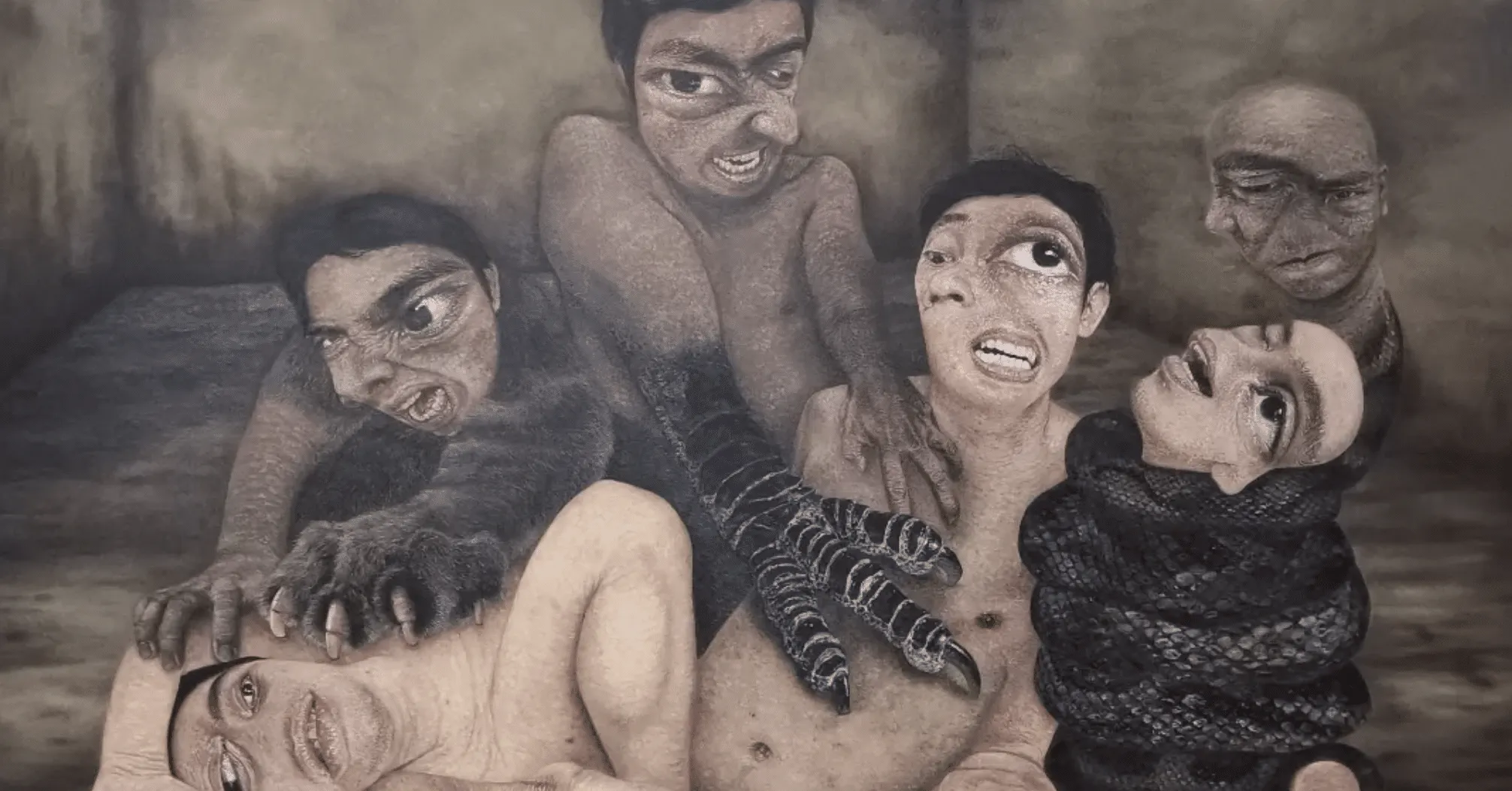
Filipino painters are using grotesque figures, bloodied sculptures and candy-colored dread this Halloween season to confront the traumas and perversions that polite society prefers to ignore, according to Inquirer Lifestyle on October 30, 2026.
The report surveys eight Filipino artists whose macabre work goes far beyond seasonal fright. While costume parties in Manila still favor Western vampires and witches over our own aswangs and manananggals, the country's contemporary art scene has long embraced the dark and the disturbing, echoing the harsh, unequal world many Filipinos actually live in.
Why Filipino art goes dark
Terror in Philippine painting is rarely cheap spectacle. It is visceral, rooted in trauma, repression and social rot, with an existential dread running underneath. Curator Norman Crisologo has done much to push these uncompromising voices into galleries, giving space to artists who refuse to paint pretty pictures.
The timing matters. Halloween arrives and the nation reaches for imported ghosts, yet the homegrown macabre tradition is richer and closer to the bone. Filipino horror storytelling is enjoying a wider revival across media. The Daily Tribune recently profiled Filipino horror writers such as Yvette Tan, Budjette Tan and Eliza Victoria, whose chilling stories draw on folklore and urban legend. Even music joins the season: Billboard Philippines rounded up OPM Halloween songs like Gloc-9 and Francis M's 'Lando' and fitterkarma's 'Aswang sa Maynila', proof that the macabre sells in every art form.
Jojo Legaspi: repression in oil
Legaspi paints pale, bloodless figures in empty rooms, floating or slumped in silent anguish, in garish hues or bruised tones. He is among the most unapologetically provocative painters in the country, digging into taboo, from sex to religious repression. His work does not startle; it unsettles. It forces you to stare at the vulnerable human body and ask what repression looks like when it finally explodes.
Igan d'Bayan: art that grabs you
The self-taught painter and writer populates his canvases with mutated dog-men, caged skeletons, protruding ribcages and creatures sprouting devilish horns, drawing on literature, philosophy and horror cinema.
'Most people tend to walk past paintings of flowers, still lifes, and sterile Filipiniana, and not feel a goddamn thing,' d'Bayan said in an interview with Artes De Las Filipinas. 'Art should grab you by the scruff of your neck.'
He jokes that none of his paintings can match couches or complement carpets. 'I don't consider myself an interior decorator,' he said. 'An internal decorator, maybe.'
Dennis Occeña and Yeo Kaa: dread in the details
Bacolod-based Occeña works in hyperrealist light and shadow. Look closely at his canvases and the macabre appears: a head in a closet, flies hovering faintly above it, or a young man staring at a blank reflection while your own dread rises. Stripping away color, he paints raw vulnerability, like peeking into someone else's recurring nightmare.
Yeo Kaa takes the opposite route. Her bright pinks, turquoises and wide-eyed cartoon characters, including her recurring persona Krinini, look innocent at first glance. Then the anxiety reveals itself: psychological trauma, self-harm, dismemberment, depression. Horror, she shows, sometimes hides behind a neon smile.
Ryan Jara, Doktor Karayom, Ian Fabro: bodies taken apart
Jara splices human faces, sacred icons and animals into uncanny, mosaic-like constructs that resemble glitching spirits. In the 2025 Crisologo-curated exhibition 'Tagpi-Tagpi, Dugtong-Dugtong', he explored where Catholic faith, folk superstition and artificial intelligence intersect, evoking the fear of losing one's soul between ancient dogma and modern technology.
Russel Trinidad, known as Doktor Karayom, built his aesthetic on the color red and anatomical distortion, moving from street art to bloodied resin sculptures and massive murals. His Thirteen Artists Award-winning installation 'Isla Inip' featured a 13-foot corpse of Jose Rizal whose disemboweled entrails served as an interactive board game, swarmed by red mini-figurines. His gore, amulets and severed body parts work not merely to shock but to release social anxiety.
Ian Fabro attacks the paper itself. He sketches intricate scenes of agony, torn bodies and martyrdom, then tears, layers and stitches the sheets together with thousands of sharp staple wires and pins. His sculptures, pierced by the same staples, slosh and slough through an alchemical cycle of life and death.
What this darkness gives back
What separates these artists from Halloween decoration is that their frightening imagery is never superficial. Whether through Legaspi's raw taboos, d'Bayan's skeletal grotesques or Yeo Kaa's deceptive pastels, the macabre becomes a vehicle for truth.
That is the courage this moment demands. In a country where folk monsters like the aswang still explain the unexplainable, and where ABS-CBN News documented the real fears of haunted house actors in its documentary 'Matakot Ka Sa Buhay', the darkness we paint is the darkness we live. These eight artists insist we look at it without blinking.
Frequently asked questions
Who are the Filipino artists known for macabre art?
According to Inquirer Lifestyle, they include Jojo Legaspi, Igan d'Bayan, Dennis Occeña, Yeo Kaa, Ryan Jara, Doktor Karayom (Russel Trinidad) and Ian Fabro, with curator Norman Crisologo championing many of them.
Why is macabre art popular in the Philippines?
Local artists use dark, grotesque imagery to confront trauma, repression and social inequality, reflecting the harsh realities many Filipinos face rather than offering simple seasonal scares.
What is Doktor Karayom's most famous work?
His Thirteen Artists Award-winning installation 'Isla Inip' featured a 13-foot corpse of Jose Rizal whose entrails served as an interactive board game.