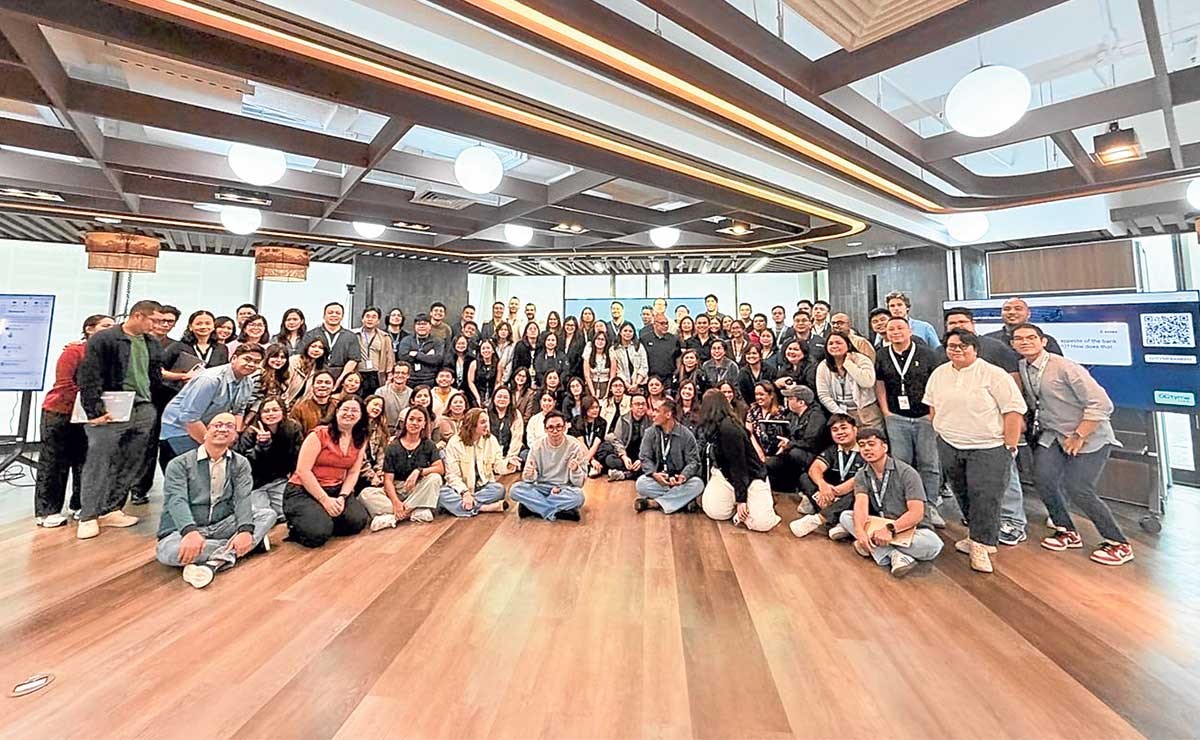
Manila businesses are learning to manage a workforce that now spans four generations, from baby boomers to Generation Z, and companies such as Unilever Philippines and GoTyme Bank say the mix is an advantage rather than a headache. The lessons, reported by the Inquirer on October 21, 2026, matter as much for a family firm in Iloilo as for a tower in Makati.
Having baby boomers, Generation X, millennials and Gen Z in the same office is now common across the Philippines. Each cohort carries its own background, habits and attitude toward work, and that mix can produce either a dynamic team or friction on the shop floor.
Why the generational mix matters now
Managing a multigenerational workforce has become a real challenge for corporations, according to the Inquirer report. But some companies have found ways to combine the wisdom of older workers with the energy and digital fluency of younger ones.
Unilever Philippines considers its multigenerational workforce one of its greatest strengths, saying each generation adds value, from experience and institutional knowledge to fresh perspectives and new ways of solving problems.
'Our role is to create that space for people to learn from one another and bring their best to work,' Unilever said in the report.
The company added that everything starts with listening. It shapes its programs around what matters to employees at different life and career stages, from learning and career development to wellbeing, flexibility, and support for parents and caregivers.
Programs that bring the generations together
Unilever Philippines has put in place programs that bring together all employees across generations so they can learn from each other and share experiences. The point, the company explained, is that belonging becomes stronger when employees are active participants and not just passive recipients of human resources programs.
'Ultimately, harnessing a multigenerational workforce is about building mutual respect and a shared sense of purpose,' Unilever said. 'Leaders and managers play a critical role in encouraging candid career conversations, enabling mentorship in both directions, and ensuring that every voice can be heard.'
The Daily Herald, writing recently on the same theme, notes that large companies can take this further through formal mentoring, reverse mentoring, cross-generational teams and knowledge-sharing programs, pairing a younger employee with a veteran manager to learn leadership and industry skills.
Unilever's programs took time and learning from errors to develop. The company realized early on that there is no one-size-fits-all employee experience, and that bringing out the best in every team member requires recognizing each person's individuality within the collective.
'People have different ambitions, identities, family circumstances, and responsibilities,' Unilever said. 'Workplace practices should reflect these realities through career development, parental and caregiver support, same-sex domestic partnership recognition, and gender-transition support.'
Employee-led communities also give workers a voice in shaping workplace culture, creating support networks and telling management where it can do better, the company said.
GoTyme: lead everyone the same way
For GoTyme Bank, the fast-growing digital lender backed by the Gokongwei Group and the Tyme digital banking group, generations do not need to be managed differently. They need to be led with the same care, clarity and expectation of excellence.
'A Gen Z digital native and a Gen X leader with 35 years of banking behind them want the same basics: to feel cared about, to have what they need to succeed and to know what good looks like,' said Katherine Antunez, Chief People Officer of GoTyme.
'Our job is to make those things true for everyone, and then let the differences in experience, speed and perspective work for us,' Antunez added.
GoTyme anchors its employee programs on care and growth principles. Antunez said leaders first shift their intent from being here to get to being here to give, which builds trust and drives commitment, accountability and performance, whatever the age of the person in the room.
Recognition as Unilever nears 100 years in the Philippines
The high morale of Unilever's employees is reflected in its recognition by the Philippine Daily Inquirer and Statista as one of the Philippines' Best Employers. The award lands as the company approaches its 100th year in the Philippines in 2027.
'But we see the recognition not as an endpoint, but as encouragement to keep listening, improving, and building a workplace where people can belong, grow, and build meaningful careers,' Unilever said.
What Filipino employers can take from this
The message for Philippine companies is plain. A workforce where a 60-year-old accountant sits beside a 22-year-old coder is no longer unusual, and pretending otherwise wastes talent. The companies that win are those that listen first, build programs around real life circumstances, and let mentorship flow in both directions.
Unilever's experience shows there is no shortcut. Programs that look progressive on paper only work when leaders bring them to life, and when employees themselves help shape the culture. GoTyme's experience shows that the basics, care, clarity and honest expectations, cut across every generation.
FAQ
How many generations now share the Philippine workplace?
Up to four, according to the Inquirer: baby boomers, Generation X, millennials and Generation Z often work closely together in the same companies.
What is reverse mentoring?
It pairs a younger employee with a veteran manager so both learn from each other, one of the cross-generational practices highlighted by the Daily Herald for large companies.
Which Philippine companies were cited for multigenerational management?
Unilever Philippines and GoTyme Bank, a partnership between the Gokongwei Group and Tyme digital banking group, shared their approaches with the Inquirer.