
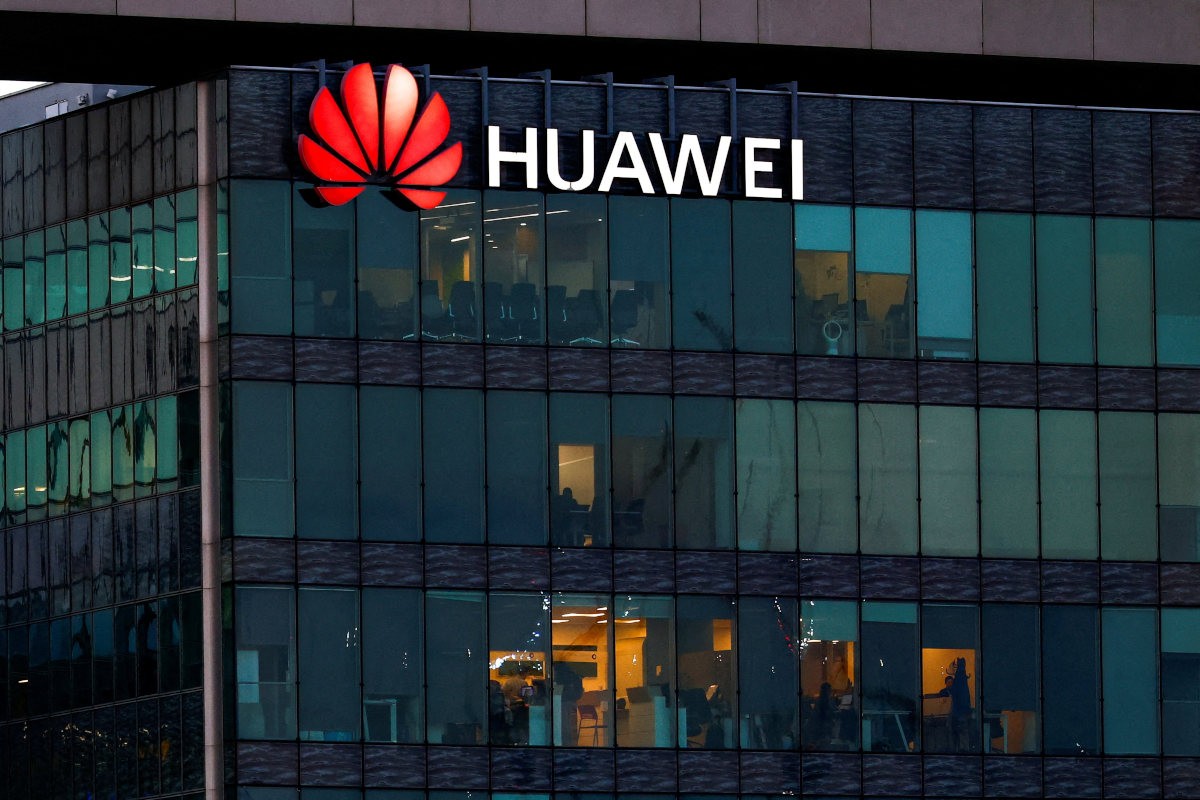
A Brooklyn jury convicted Chinese telecommunications giant Huawei on 10 criminal counts Tuesday, November 24, 2026, finding it deceived banks over Iran business and stole American trade secrets.
The verdict followed a trial lasting more than two months in New York. Jurors convicted Huawei on 10 of 12 counts, including bank fraud, wire fraud, sanctions violations and conspiring to steal trade secrets, according to Rappler's trial report.
What the jury decided
The jury acquitted Huawei of conspiring to obstruct justice and racketeering conspiracy. The racketeering count had alleged that the company operated as a criminal enterprise.
Prosecutors called more than 60 witnesses during the trial, while the defense called 15. US District Judge Ann Donnelly is scheduled to sentence Huawei on September 14, 2027, but the penalties the company may face were not immediately clear.
Brian Heberlig, a lawyer for Huawei, said the company was disappointed by the convictions. He said the racketeering acquittal vindicated its “good-faith compliance culture.”
“We fully expect to appeal,” Heberlig told reporters.
Heberlig said it was premature to estimate possible financial penalties. He added that the racketeering acquittal could make a significant difference when punishment is determined.
US Attorney Joseph Nocella took a far harsher view of the conduct described by prosecutors.
“Few crimes are as serious as Huawei's decades-long pattern of endangering US national security, violating the sanctity of US commerce, and impeding the enforcement of US laws,” Nocella said in a statement.
China's embassy in Washington did not immediately respond to a request for comment.
How Huawei's Iran business reached court
The criminal case began in 2018. The following year, the US government placed Huawei on a trade blacklist that restricted its access to American technology amid concerns that the company posed national security risks.
The 2018 indictment alleged that Huawei misled HSBC, Standard Chartered and BNP Paribas about its business dealings in Iran. Prosecutors added charges in 2020, including an allegation that Huawei conspired to steal trade secrets from US technology companies over two decades.
Reuters reporting in 2012 and 2013 helped expose Huawei's activities in Iran, and those stories were discussed during the trial. Prosecutor Meredith Arfa told jurors during closing arguments that scrutiny from journalists was followed by questions from banks.
“After the media started questioning Huawei's operations in Iran, so did Huawei's banks,” Arfa said.
The defense argued that HSBC and the other banks knew about Huawei's business in Iran and were competing for the company's business. That argument did not persuade jurors on the bank fraud and related counts.
Meng Wanzhou's detention and release
The case also produced a diplomatic confrontation after Canadian authorities detained Huawei chief financial officer Meng Wanzhou in December 2018 on a US warrant. Meng is the daughter of Huawei's founder.
US prosecutors had secretly indicted Meng on charges that she misled an HSBC banker about Huawei's business in Iran. According to the allegation, the deception allowed the company to move dollars into and out of Iran in violation of American sanctions.
Meng fought extradition to the United States for nearly three years. She later entered a deferred prosecution agreement, returned to China to a hero's welcome and saw the charges against her dropped.
Meng did not testify at Huawei's trial, although the HSBC banker she met in 2013 did. Prosecutors also gave jurors a statement attached to her deferred prosecution agreement in which she acknowledged that the company had illegally conducted business in Iran.
The trade secrets evidence
Prosecutors accused Huawei of stealing source code from Cisco Systems for its routers and antenna technology from wireless telecommunications company Quintel. They also alleged that Huawei hired a professor to gain access to a circuit board developed by semiconductor company CNEX.
Jurors watched video that prosecutors said showed a Huawei employee placing part of a T-Mobile testing robot into his backpack. They also heard an account of a Huawei engineer entering a Fujitsu booth at a trade show without permission to photograph a device.
Heberlig accused prosecutors of having “cherry-picked” a handful of unrelated incidents to construct their claim of a 20-year conspiracy. He said Huawei's success rested on “hard work, innovation, and investment in research and development.”
The Guardian's report likewise noted that the convictions covered both deception of banks over Iran and the theft of trade secrets from US companies.
What the verdict means beyond New York
The immediate legal fight now turns to sentencing and Huawei's promised appeal. The verdict did not establish an immediate financial penalty, and the racketeering acquittal removed one of the gravest accusations the company faced.
Experts cited in the reporting said the case had not undermined Huawei's business. The company has diversified and become a major participant in China's push for artificial intelligence.
Huawei has more than 200,000 employees and operates in approximately 170 countries. Its scale helps explain why a verdict in Brooklyn carries weight far beyond the American banking and technology disputes presented at trial.
For the Philippines, Tuesday's decision concerned US criminal law and did not itself change Philippine telecommunications policy. It nevertheless adds a court record to the security and commercial questions facing countries that rely on foreign networks while maintaining close ties with Washington and extensive trade with China.
Reuters coverage at Investing.com placed the verdict within the same broad case involving Iran sanctions and American trade secrets. The jury's split decision matters: prosecutors won most counts, but Huawei defeated the accusation that it functioned as a criminal enterprise.
What happens next for Huawei?
When will Huawei be sentenced?
US District Judge Ann Donnelly is scheduled to sentence Huawei on September 14, 2027. The possible penalties have not yet been announced.
Will Huawei appeal the US convictions?
Yes, according to Huawei lawyer Brian Heberlig. He told reporters that the company fully expects to appeal and pointed to its acquittal on the racketeering conspiracy charge.