
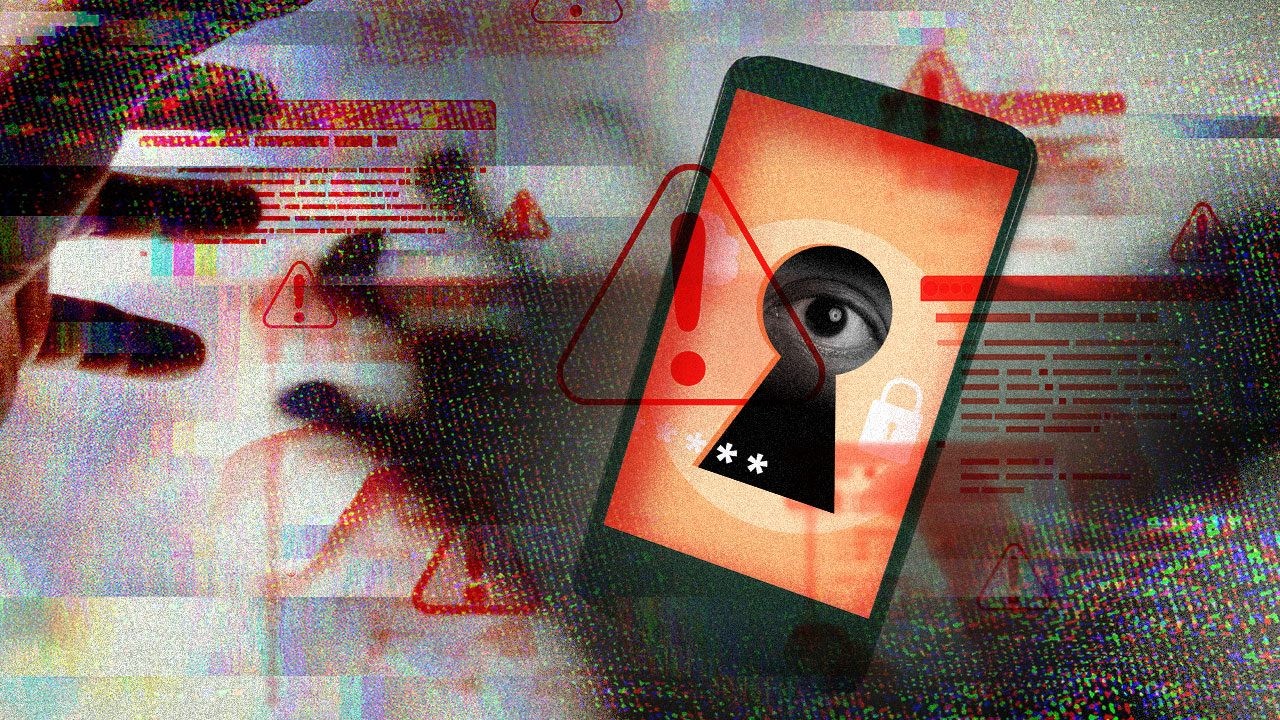
Filipinos face a wider wave of online scams through texts, calls, email and fake websites, according to Rappler's scam explainer published Nov. 25, 2026, after breaches exposed personal records.
The Global Anti-Scam Alliance found that 84% of Filipinos encountered a scam in 2026, up from 77% in 2025. Its State of Scams Report drew on responses from 1,160 Filipino adults surveyed from March 16 to April 13, 2026.
Why stolen data makes scams more convincing
Recent cybersecurity incidents exposed personal records held by Philippine government agencies and private firms. The National Privacy Commission advised the public to watch for phishing, smishing and other fraud attempts that could follow those breaches.
A criminal holding your real name or account details can make a fake receipt, promotion or account warning look personal. But stolen data is not always necessary. Some methods allow scammers to reach a phone without knowing its number.
The risk touches a sari-sari store owner paying suppliers, a provincial family receiving padala and an office worker checking a payroll account. The approach changes, but the objective stays fixed: obtain money, credentials or a one-time PIN.
Email, social media and messaging apps
Email lets fraudsters copy the colors, seals and layouts of banks, government offices and other organizations. Their messages may carry password-reset prompts, account-suspension warnings, unexpected receipts or attachments designed to open the door to malware.
Email services flag many suspicious messages, but some get through. Check whether the sender's domain matches the institution. Treat unusual requests, unexpected attachments and unfamiliar links as reasons to stop, not as instructions to hurry.
Scammers have also moved to Facebook, Instagram, Viber, Telegram and WhatsApp as telecommunications companies tighten SMS filters. After taking over an account, they can impersonate its owner and send links or direct messages to trusted contacts.
A friendly greeting can turn into an offer of a job or paid task. Suspicion should therefore extend beyond unknown accounts. If a relative's message feels out of character, call that relative through a known number and use the app's report and block functions.
Personal information also accumulates through ordinary online habits. Hatter discussed the problem in 4029TV's report on scam tactics.
“Many people will overshare on social media to begin with,” Hatter said.
Hatter added that free apps commonly earn money through user data. SlashGear's report on spam calls separately noted that job seekers routinely submit names, phone numbers, email addresses, work histories, skills and hobbies, information that can interest telemarketers and scammers.
Spoofed calls and texts
An incoming call displaying a bank's name does not establish who is calling. Scammers can spoof caller IDs to imitate banks, digital wallets, government employees and courier companies.
Voice over Internet Protocol, or VoIP, enables calls through an internet connection rather than an analog phone line, according to the US Federal Communications Commission. Fraudsters use it while claiming that an account has been compromised or that an unauthorized transaction requires immediate action.
Panic is part of the method. Do not disclose passwords or sensitive account details. Banks and e-wallets will never ask for those details over such calls. Hang up, then verify the number through official channels or the hotline and telemarketing SIM lists published by local banks and e-wallets.
Text messages remain the most common scam channel encountered by Filipinos, GASA found. Unknown numbers are easy to distrust, but International Mobile Subscriber Identity catchers present a harder problem.
These surveillance devices act as fake cell towers. They can intercept mobile phones, access device locations and send spoofed messages that appear inside legitimate message threads. Because they bypass regular cell towers, telecommunications spam filters may not detect them.
Scam Watch Pilipinas documented spoofed messages involving IMSI catchers as early as 2024, according to an investigative report by The Philippine STAR. This method explains why a text's position beside genuine bank messages proves nothing.
The Bangko Sentral ng Pilipinas addressed another warning sign through Memorandum No. M-2022-015, issued in 2022. It prohibits banks from sending clickable links through text, email or messaging apps. Do not click a link in an unsolicited text. The Canadian Centre for Cyber Security also advises disabling a device's 2G connection when that option is available.
Fake websites and QR codes
A bogus website often serves as the final trap. A phishing email, spoofed text, social media message or sponsored advertisement delivers the victim to a page cloning a banking portal, promotional page or online store.
These pages request login credentials, card details or one-time PINs. QR codes can conceal the same destination because the link remains hidden inside an image until scanning produces a preview or loads the page.
Before opening a link, inspect the address for uncommon domains, misspellings, extra words and strange symbols. Look for numbers substituted for letters, such as 0 for O or 1 for l. With printed QR codes, check for stickers or other signs of tampering and read the link preview first.
Activate the anti-phishing and malware protection built into your browser. Turn on multi-factor authentication for digital accounts so a stolen password does not automatically hand over access.
Questions about online scams
Can scammers text me without knowing my number?
Yes. IMSI catchers can act as fake cell towers and deliver spoofed messages without relying on the usual route through telecommunications networks. Such messages can appear within genuine conversations.
Should I trust a call showing my bank's number?
No. Caller IDs can be spoofed. End the call without sharing information, then contact the bank through a number published on its official channels.
Where can Filipinos report online scams?
Report online scams to the Cybercrime Investigation and Coordinating Center by dialing 1326.